
Today, JAX is accelerating discovery through an integrated research platform that brings together genetics, cell and mouse models, and data-driven science. With unmatched model organism resources and advanced computational tools, our scientists connect biological insight to medical progress across our Maine, Connecticut, and New York campuses.
JAX is also a leader in national research initiatives that drive scientific progress at scale. The JAX Cancer Center—designated by the National Cancer Institute since 1983—is one of only a few basic research cancer centers in the country, advancing foundational discoveries that shape cancer prevention and treatment. We are also home to a Nathan Shock Center of Excellence in the Biology of Aging, part of a nationwide network funded by the National Institute on Aging to advance understanding of how and why we age.
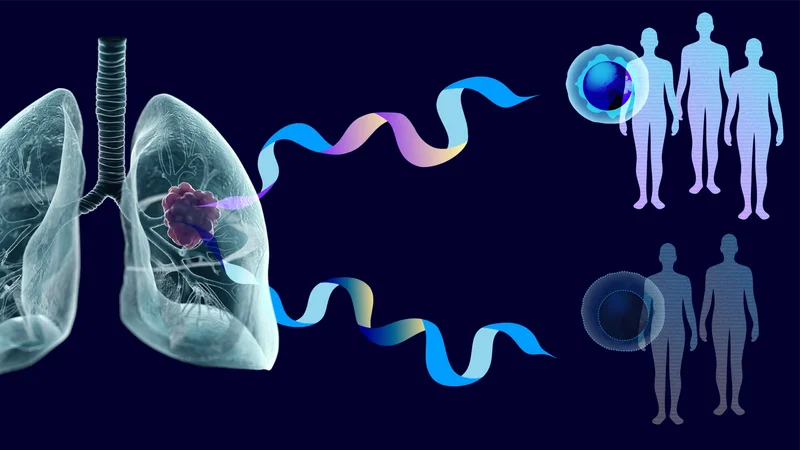
A new study shows that lung tumors can disable a key immune-alarm gene without mutating its DNA and that the pattern tracks with how well patients respond to treatment.
View more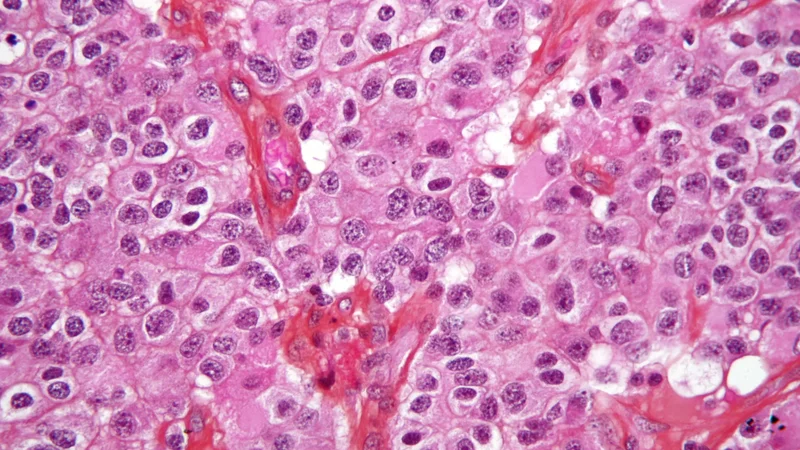
An international team tracked two types of glioma before and after treatment, revealing new clues about the genetic changes that help these tumors resist treatment.
View more
How JAX scientists are investigating whether our skin microbiome could serve as a window into the biology of aging and frailty.
View more
More than 50 independent scientists across The Jackson Laboratory’s three research campuses are advancing discovery in genomics, cancer, immunology, neuroscience, aging, and rare disease. Working at the intersection of basic and translational science, JAX investigators collaborate across disciplines to uncover the biological mechanisms that drive health and disease. Their research powers new insights, technologies, and therapies that improve human health worldwide.

JAX research extends far beyond any single disease area. A few of the diseases and disorders being researched at JAX are:
The JAX Translational Modeling Platform is a multi-system translational research framework that enables researchers to evaluate disease biology and therapeutic response across complementary systems in parallel.
Mouse models provide insight into whole-organism biology, including disease progression, immune response, therapeutic efficacy, and systemic interactions.
Key strengths include:
Human cellular models provide direct relevance to human biology and enable mechanistic investigation at the cellular level.
These systems support:
Computational biology, AI, and machine learning integrate observations across biological systems to identify patterns, generate predictions, and enable learning at scale.
Capabilities include:
No single model fully captures human disease. The JAX Translational Modeling Platform is designed to evaluate biological hypotheses across interconnected systems simultaneously, creating a more robust understanding of disease initiation, progression, and therapeutic response. This integrated approach helps reduce translational failure risk, strengthen preclinical confidence, accelerate therapeutic discovery, and improve reproducibility across systems.

“The future isn't about choosing one model over another, it's about integrating them. By bringing together mouse, cell, and AI models, we will increase success and reduce the costs of life-changing research not only at JAX and NYSCF, but across the scientific community.”
– Lon Cardon, Ph.D., FMedSci | JAX President and CEO

At JAX, we are focused on being a hub and catalyst for collaboration. Bringing people together has been an integral part of JAX culture from our earliest days. It is a vital part of our mission to empower the global biomedical community with the expertise, tools, data and resources that accelerate understanding, and advance treatments.


