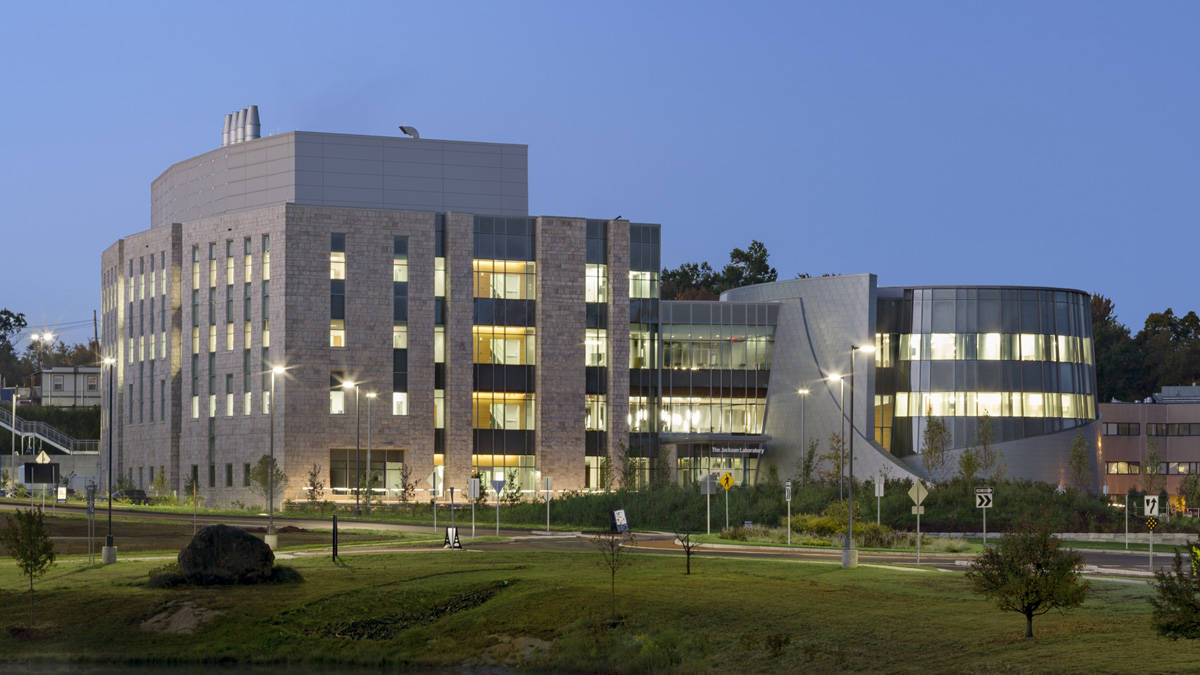
Let the Postbac at JAX Program help you stand out. Through our two-year semi-structured training program, postbacs immerse themselves in cutting edge research as part of a team, pursue an independent research project with direct ties to human health and disease, strengthen their professional skills, and improve their scientific communication.
Our Genomic Education team supports the professional development of trainees through:
Postbac trainees also benefit from:
Postbacs are matched with PIs for training and mentorship so that they can meaningfully contribute to their lab’s research program. Postbacs are valuable members of our trainee community that also includes Postdocs and PhD students. In addition to conducting research, postbacs attend trainee-specific workshops and events, and have free access to JAX courses (both online and in-person). As a research institution with a diverse group of nearly 3,000 staff, JAX has a wide range of scientific interest groups and social communities that help forge connections between colleagues.

A full-time research training experience for Worthington Scholars and alumni, with professional development and mentorship to prepare you for a career in biomedicine.
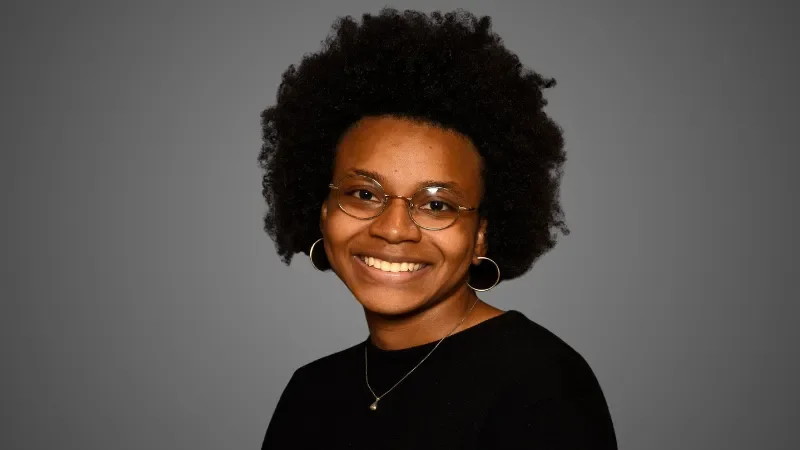
Undergraduate Institution: Johns Hopkins University
Undergraduate Degree: Molecular and Cellular Biology with a minor in Computer Science
Research Focus at JAX: Utilized genetically diverse mice to assess the role of genetic factors in female reproductive development and reproductive aging.
After the Postbac @JAX Program: Victoria went on to pursue a Ph.D. in Genetics and Epigenetics at the University of Pennsylvania.

Undergraduate Institution: University of Puerto Rico, Mayagüez
Undergraduate Degree: Biology
Research Focus at JAX: Examined the process of clonal hematopoiesis and its implications in leukemia.
After the Postbac @JAX Program: Patricia went on to pursue a Ph.D. in Immunology at Yale University.

Undergraduate Institution: Marshall University
Undergraduate Degree: Biology and Biochemistry with a minor in Pre-Professional Health
Research Focus at JAX: Used mouse models to study and map the morphology of pyramidal neurons in the cortex after ischemic stroke.
After the Postbac @JAX Program: Deja went on to pursue an MD at West Virginia University.
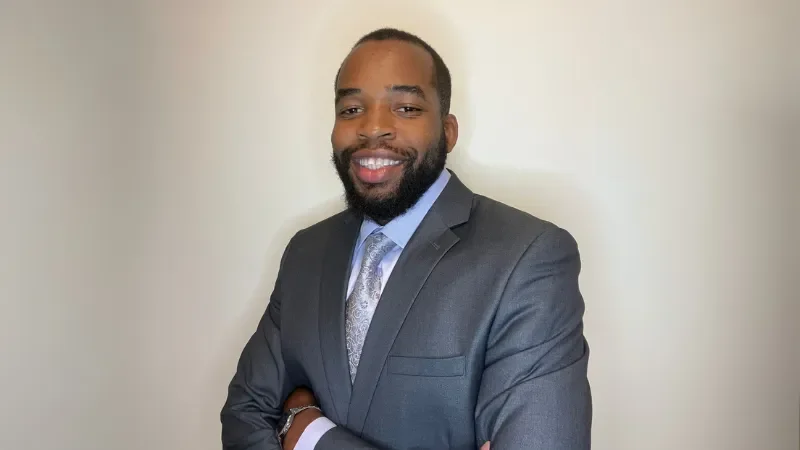
Undergraduate Institution: Minnesota State University Moorhead
Undergraduate Degree: Biochemistry and Molecular Biology & Health and Medical Sciences with a minor in Neuroscience
Research Focus at JAX: Investigated the TNF alpha (TNFa) pathway to determine its implications in the causation of Alzheimer’s disease and related dementias.
After the Postbac @JAX Program: Jonathan went on to pursue a Ph.D. in Development, Stem Cells & Regenerative Medicine at Cincinnati Children's.
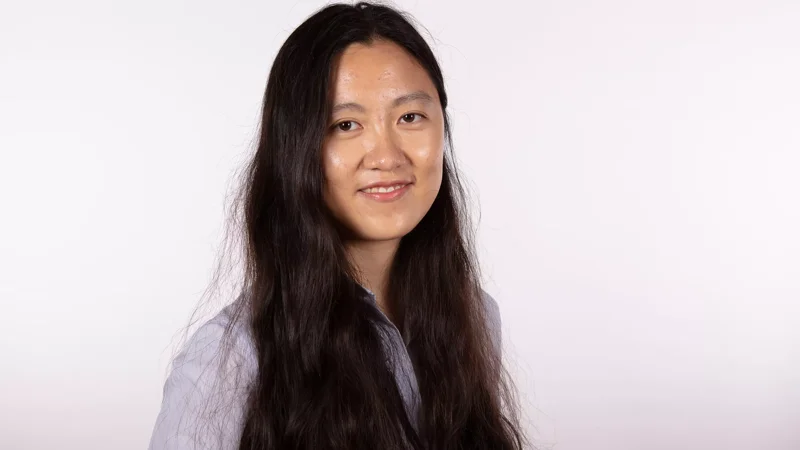
Undergraduate Institution: University of North Carolina at Chapel Hill
Undergraduate Degree: Nutrition (Science and Research Track) and Chemistry (Biochemistry Track)
Research Focus at JAX: Studied cardiomyocyte regeneration using induced pluripotent stem cells and mouse models.
After the Postbac @JAX Program: Zijian went on to pursue an M.D./Ph.D. at UConn Health.
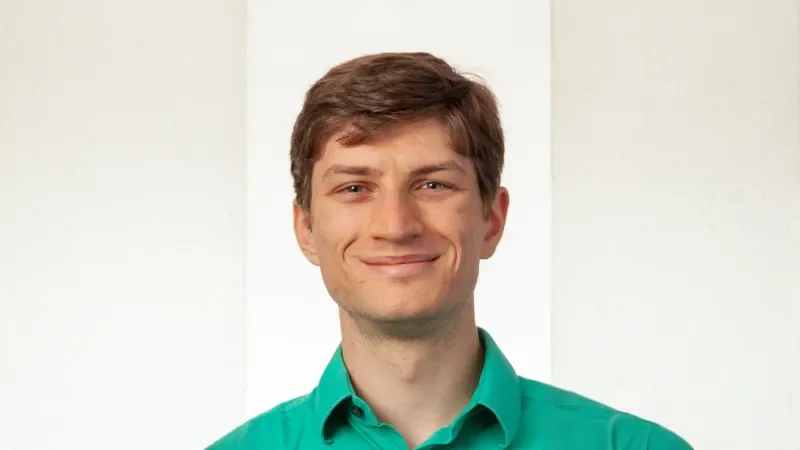
Undergraduate Institution: Brandeis University
Undergraduate Degree: Biology
Research Focus at JAX: Investigated the role of genetic diversity in MRI-detectable signatures of cell density and organization in the brain.
After the Postbac @JAX Program: Tom went on to pursue an M.D./Ph.D. at Tufts University.