
The development of vaccines and therapies for HIV/AIDS was severely limited until the generation of NSG™ mice that engraft both human PBMCs and human hematopoietic stem cells (HSCs). Discover how humanized NSG™ mice recapitulate HIV pathogenesis and how they are used in HIV therapeutic pre-clinical validation studies.
Humanized NSG™ Mice for HIV Research
Blog Post | March 29, 2016
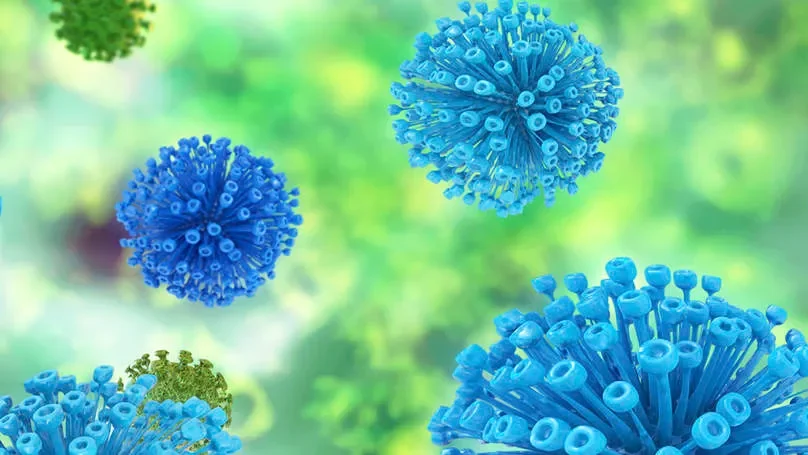

Infection with HIV (human immunodeficiency virus) is the underlying cause of AIDS (acquired immunodeficiency syndrome). By 2014, nearly37 million people worldwide were infected with HIV, and approximately 2 million people become newly infected each year, making HIV/AIDS a global pandemic. HIV specifically infects human immune cells, including CD4+ helper T cells (CD4+ T cells), macrophages, and dendritic cells. Ultimately, HIV infection depletes CD4+ T cells, and once the CD4+ T cell numbers dwindle below critical levels, patients become susceptible to infection by organisms that typically don’t cause illness in healthy individuals. In addition, HIV infected people commonly develop neurological disorders, ranging from mild cognitive dysfunction to dementia.
Although HIV/AIDS research has received large-scale funding support, the development of vaccines and therapies has been severely limited by the lack of small animal models that recapitulate the human-specific infection and immune responses of HIV/AIDS disease pathogenesis. Because HIV only infects immune cells, any small animal model for HIV infections must carry human immune cells to effectively model the disease. Human immune cells engraft poorly into immunodeficient mice that are homozygous for either the nude orscid (severe combined immunodeficiency) spontaneous mutations. It was not untilDr. Lenny Shultz generated the NSG™ (NOD.Cg-Prkdcscid Il2rgtm1Wjl/SzJ) mouse by introducing an Il2rg knockout allele into NOD scid mice, that a breakthrough was achieved.
Humanized NSG™ mice accurately model HIV pathogenesis
Extremely immunodeficient NSG™ mice readily engraft both human peripheral blood mononuclear cells (PBMCs) and human hematopoietic stem cells (HSCs) to createhumanized NSG™ mice. The engrafted human cells differentiate and mature into the full spectrum of human immune cells and are capable of a wide range of human immune functions. As such the humanized NSG™ mice have developed into a much needed model for HIV/AIDS and other infectious disease research.
Humanized NSG™ mice are susceptible to HIV infection via multiple routes, including mucosal (an important and common route for human infection). Infected humanized NSG™ mice develop HIV-associated disease pathologies, including significant CD4+ T-cell depletion, viral replication, anti-HIV immune responses and cognitive abnormalities. Therefore, they are an ideal small animal model for studying the immunopathogeneis of HIV infection includingin vivo viral replication and evolution, transmission, and the roles of specific immune cell types (like dendritic cells, and regulatory T cells). Additionally, HIV latency can be modeled by administration of antiretroviral drugs.
HIV therapeutic pre-clinical validation studies using humanized mice
Humanized NSG™ mice have been successfully utilized for multiple in vivo HIV therapeutic pre-clinical validation studies including:
- Inducing expression of neutralizing anti-HIV monoclonal antibodies by a single intramuscular injection to provide prophylactic protection from HIV infection.
- Delivering anti-CCR5 and antiviral silencing RNAs (siRNA) directly to T cells which controls viral replication and prevents CD4+ T cell loss.
- Suppressing HIV replication and CD4+ T cell depletion by introducingengineered HSCs that mature into CD8+ T cells expressing an HIV-specific T cell receptor (TCR).
- Activating human NK cells with an IL-15 superagonist inhibiting acute HIV infection
Interested in learning more? Please visit our humanized mouse site. Large cohorts of humanized NSG™ mice ready for your study are available on the shelf from The Jackson Laboratory for the study of HIV and other human specific infectious diseases.