
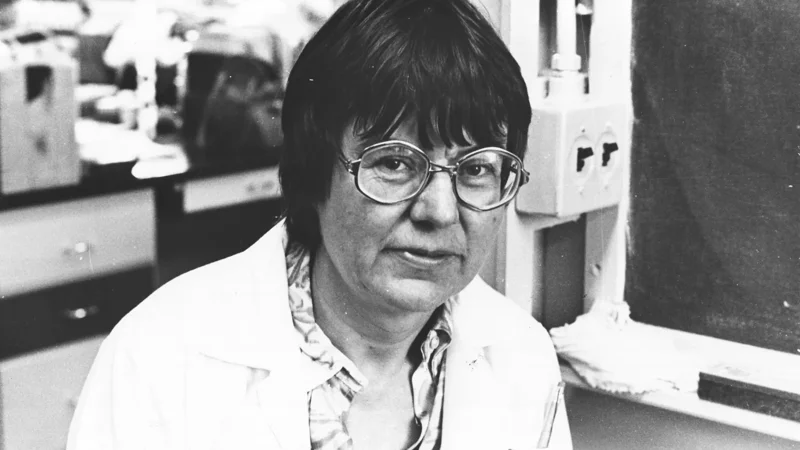
Faculty member 1980-2005.
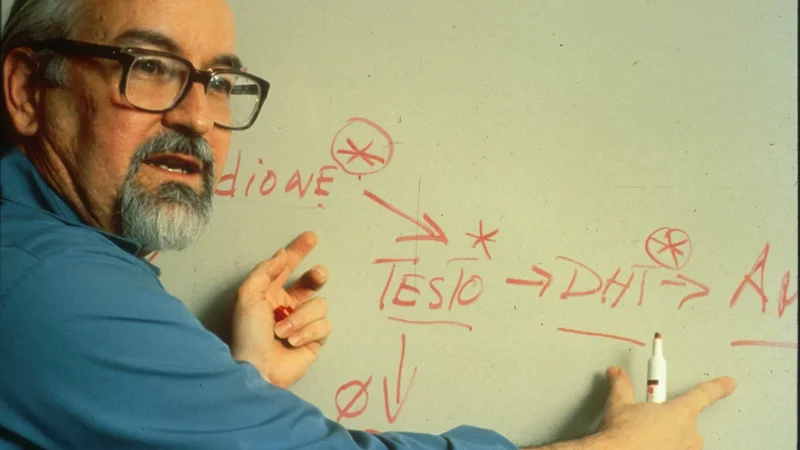
Faculty member 1973-2009.
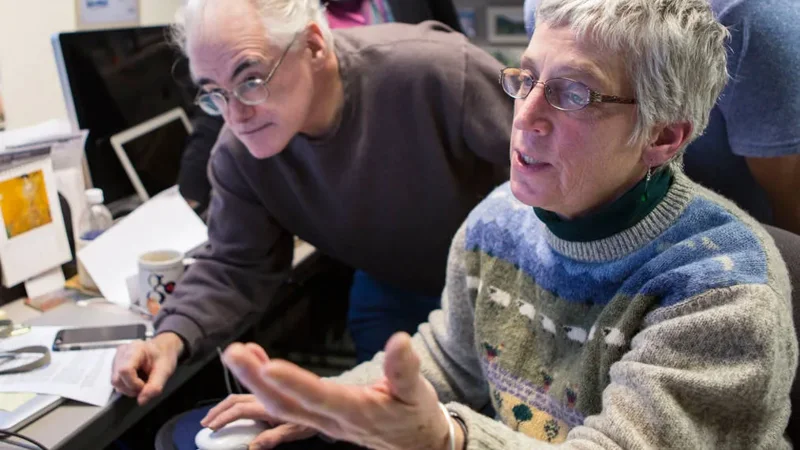
Researches functional and comparative genome informatics, developing systems to integrate and analyze genetic, genomic and phenotypic data.
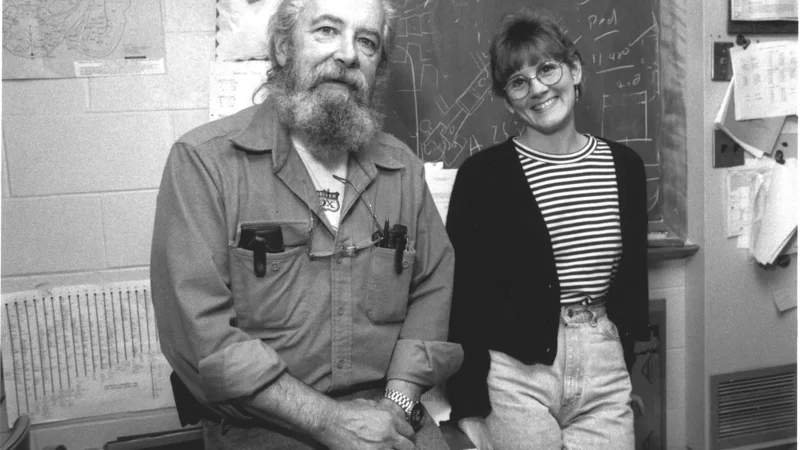
Faculty member 1965-1994.
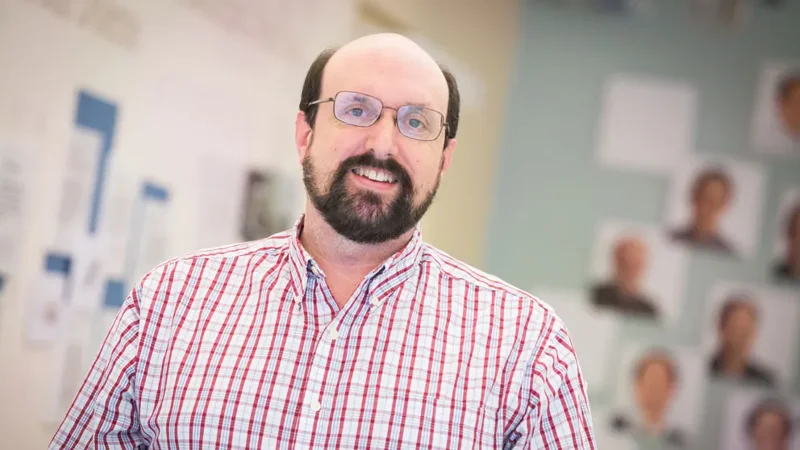
Studies the genetics of degenerative muscle diseases using mouse models for SMA, ALS, muscular dystrophy and more.
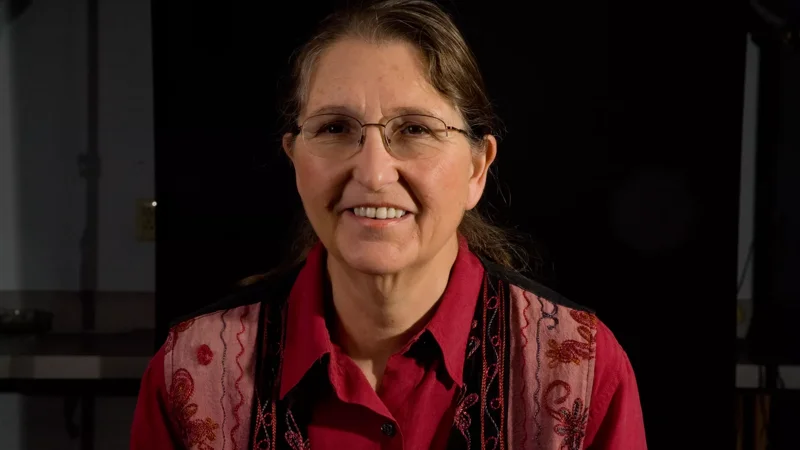
Faculty member 1980-2012.
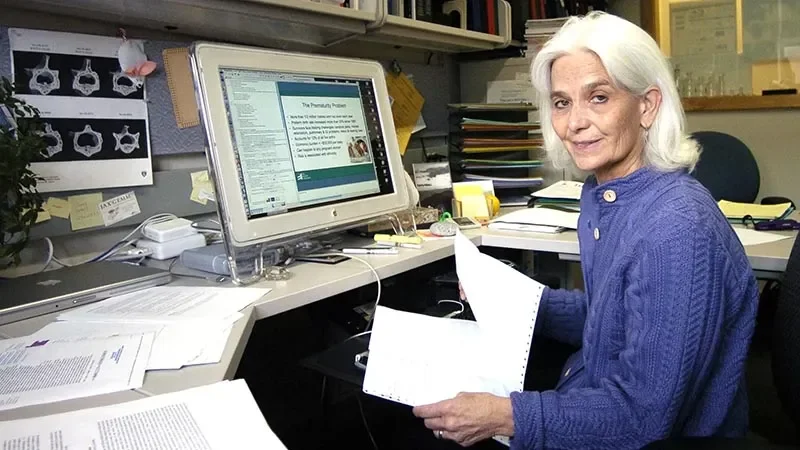
Faculty member 1995-2014.
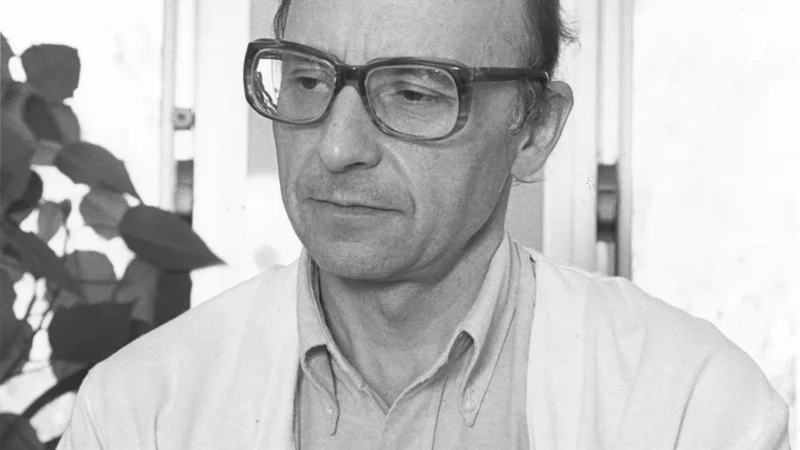
Faculty member 1980-1999.
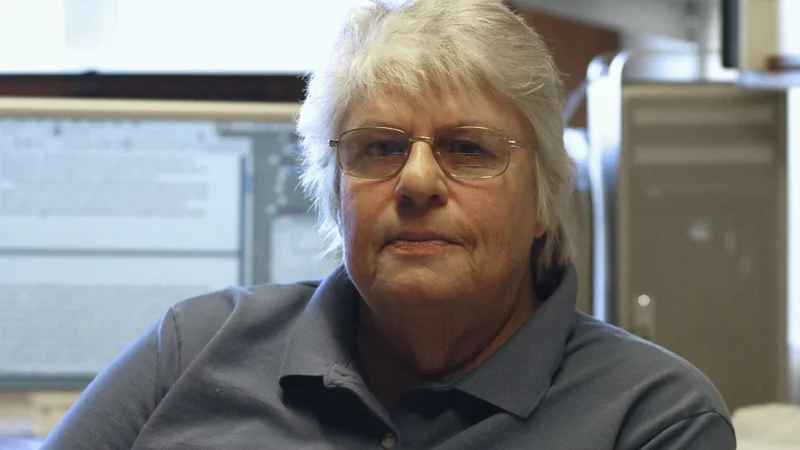
Faculty member 1971-2007.
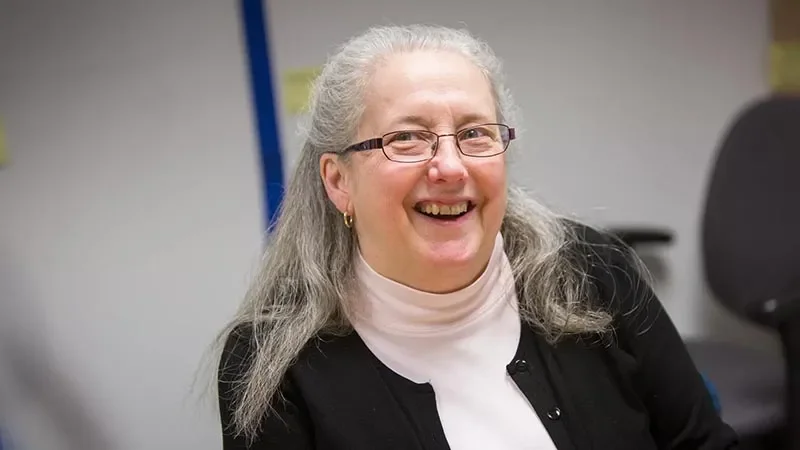
Develops and enhances the Mouse Genome Informatics database (MGI), an integrated database of mouse genetic, genomic and biological data used throughout the international scientific community.
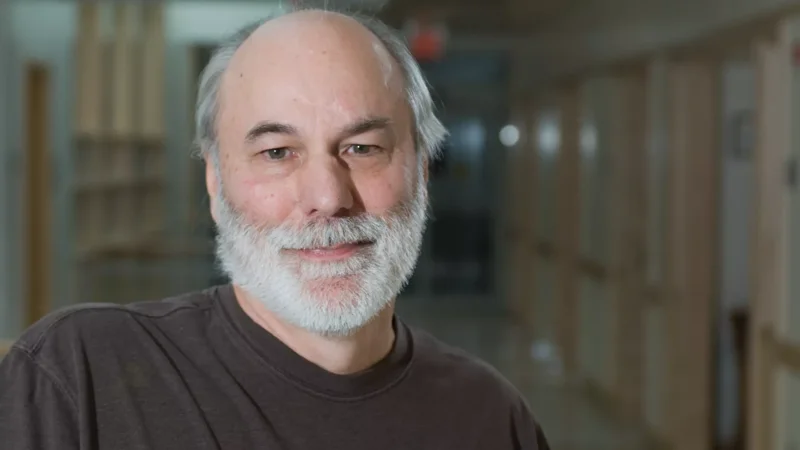
Faculty member 1975-2013. His research focused on the interactions between oocytes and their companion somatic cells in ovarian follicles; an interaction that is essential for female fertility.

Faculty member 1960-1990.
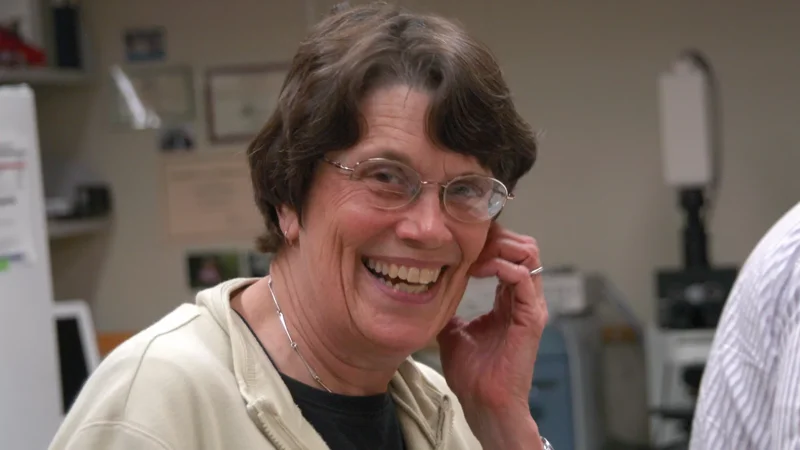
Investigates the genetic regulation of meiosis and the mechanisms of male fertility to understand how errors in meiosis can lead to developmental abnormalities.

Researches the genetics of aging and lifespan, seeking to understand the basic mechanisms of aging, and adult stem cells, with the goal of delaying normal aging processes.
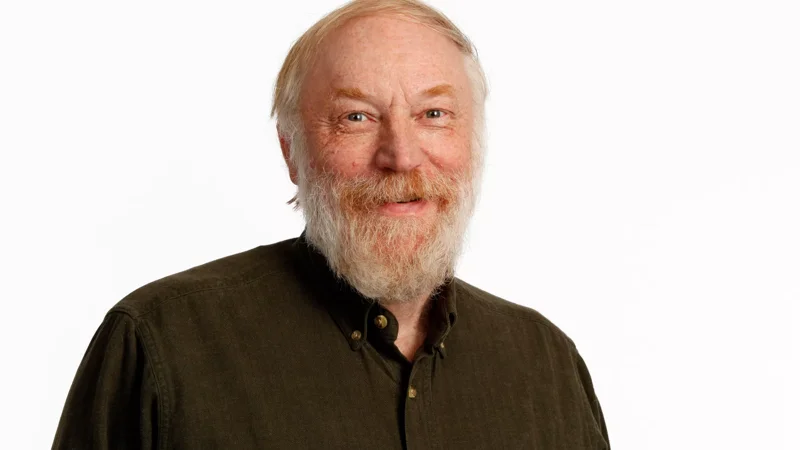
Researches the molecules and pathways important to the development and physiology of the ear, with a focus on hearing loss and impairment.
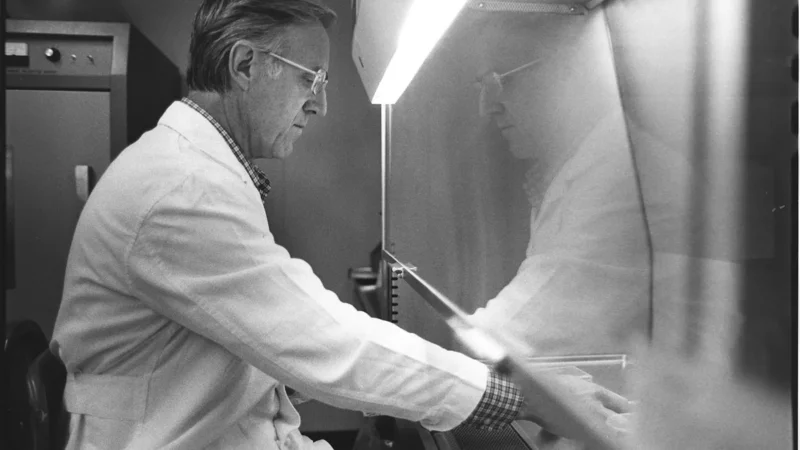
Faculty member 1954-1991.
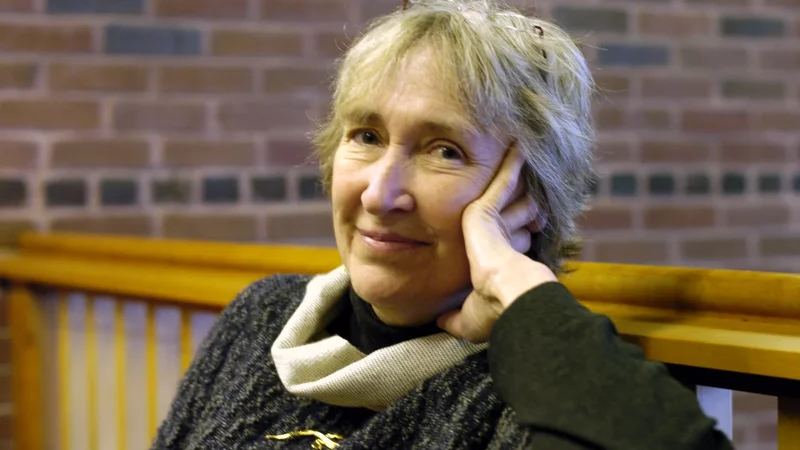
Faculty member 1993-2008.
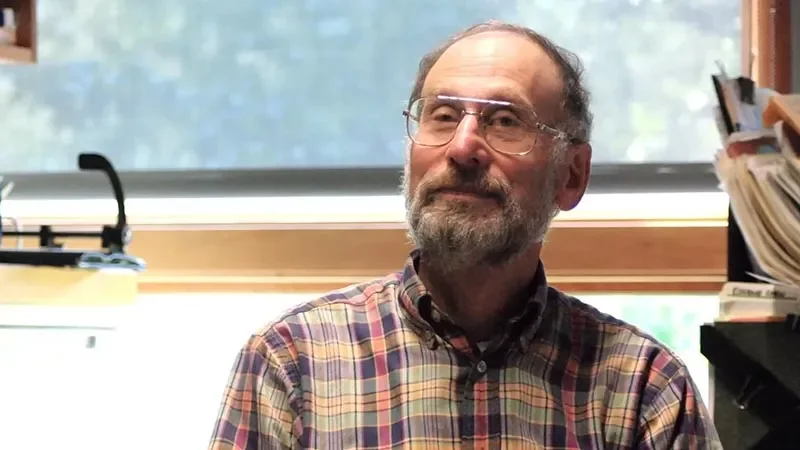
Investigating lipid metabolism, endocrinology, internal medicine, NOD mice and immunology. Faculty member 1974-2019.
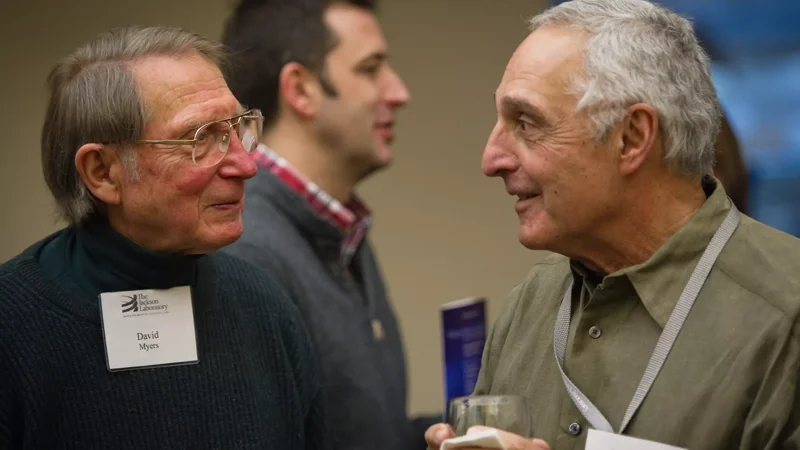
Faculty member 1965-1982, 1995-1998.
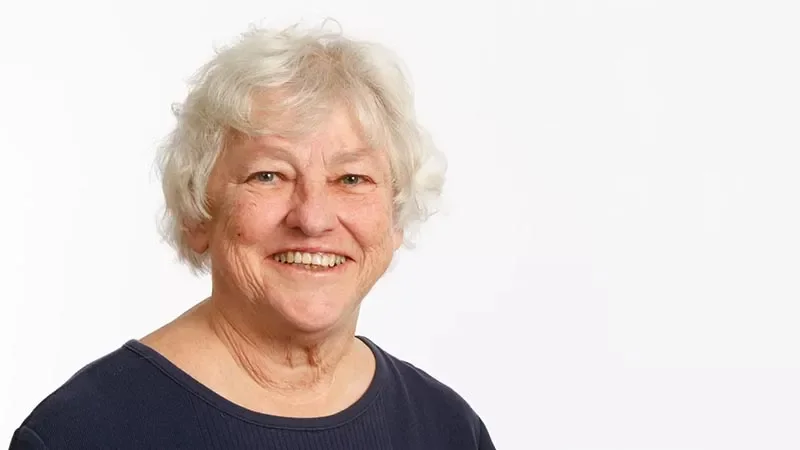
Pioneering the use of mouse models to study human diseases and an early adopter of computational biology and statistical genetics. Faculty member 1989-2019.
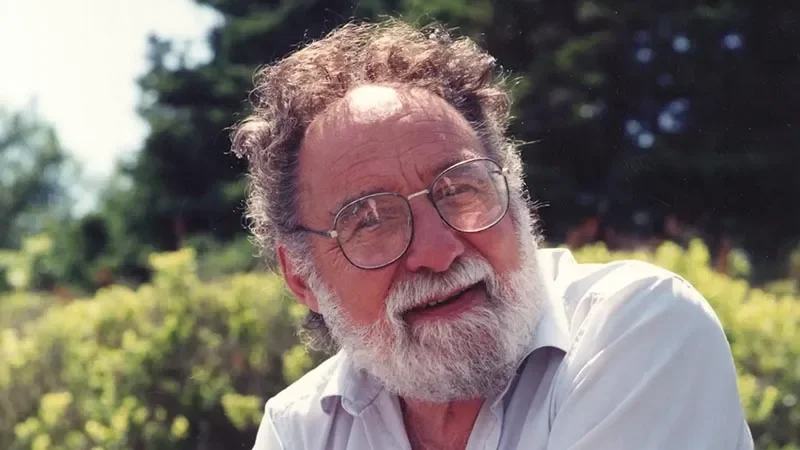
Revealing fundamental mechanisms of meiosis and genome structure, essential for understanding evolution, infertility, and genetic disorders. JAX Director from 1989-2003 and faculty member from 1989-2019.
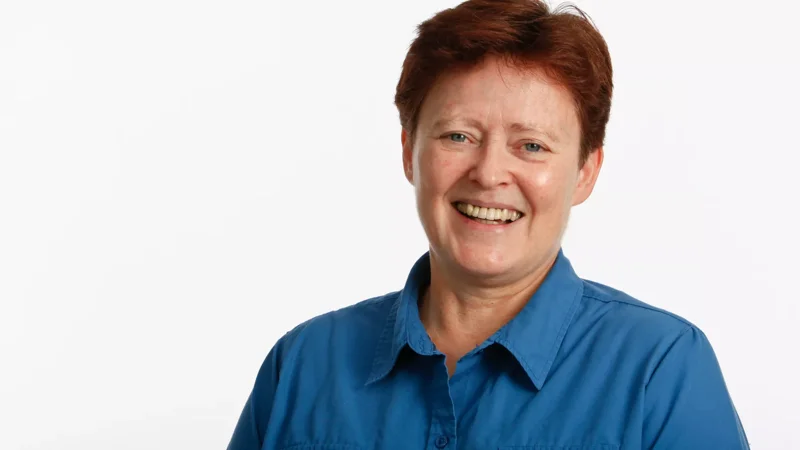
Researches blood formation with a focus on red blood cells and the genetics underlying defects leading to anemias.
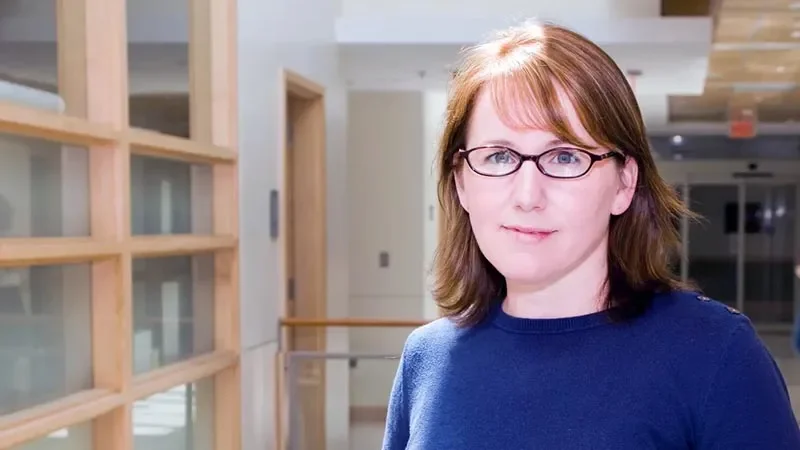
Research into the development and application of genetic approaches for understanding the etiology and functional consequences of genome variation in the germ line and in pluripotent cells. Faculty through 2025.
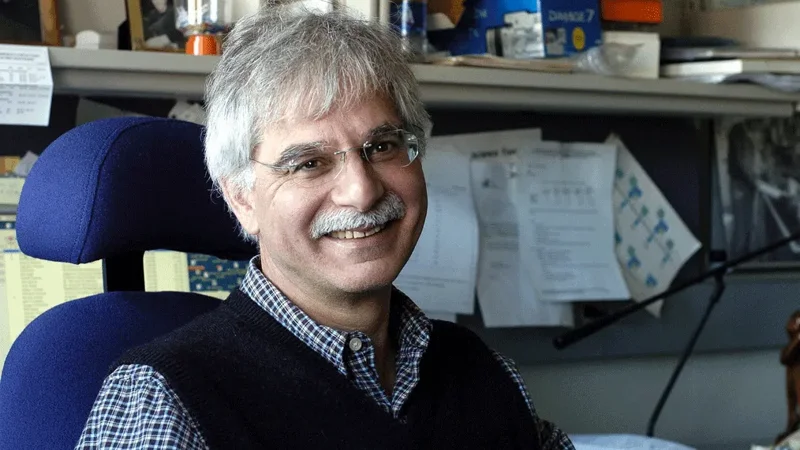
Conducts research to understand why the immune system causes autoimmune diseases and to devise methods to predict and treat them.
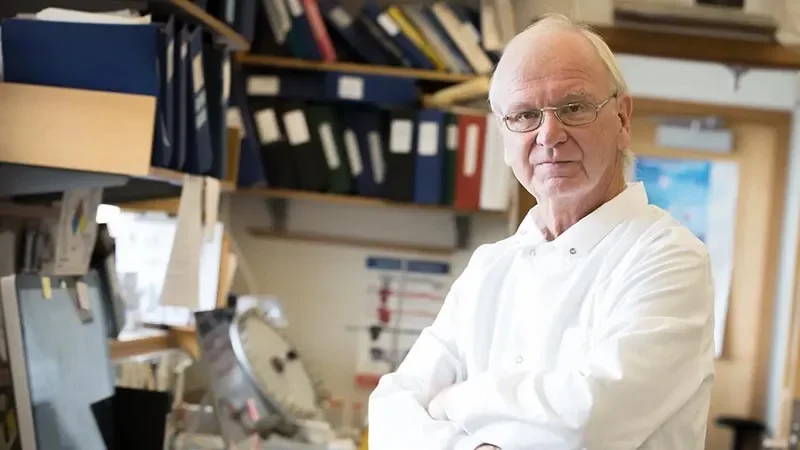
Researches the genetic basis for immunological tolerance to endogenous (own) proteins, and the defects that can lead to autoimmune diseases such as type 1 diabetes (T1D).
Faculty member 1985 - 2026.
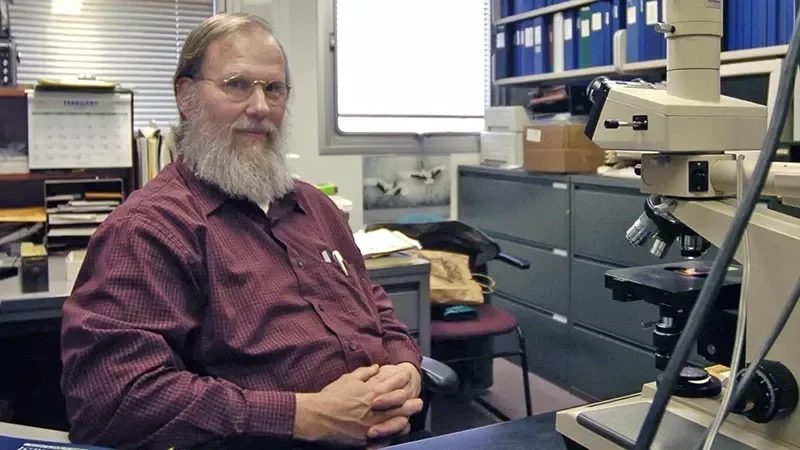
Investigating the genetic basis of skin, hair and nail abnormalities. Faculty through 2025.
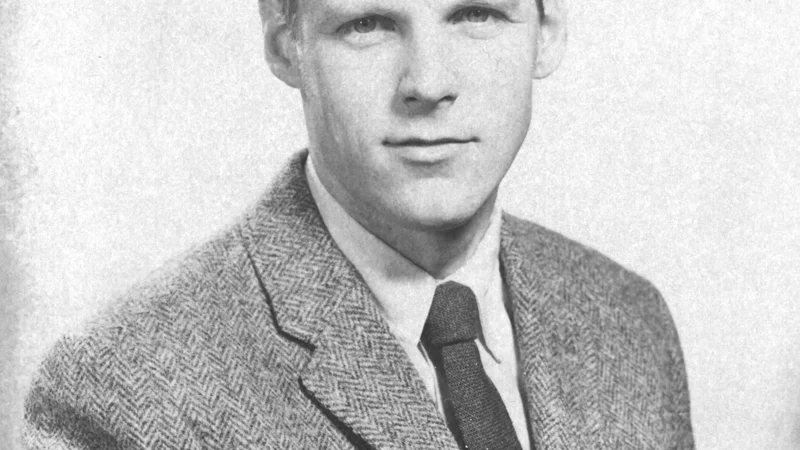
Faculty member 1969-2000.