
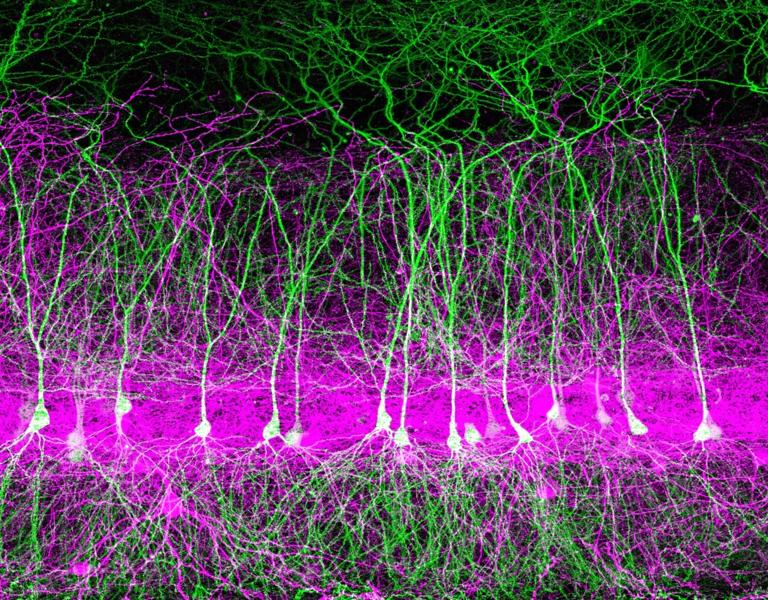
At JAX, neuroscience researchers investigate how the nervous system functions as an integrated system in order to understand how it tips toward disease. We study how genetics and the environment interact over time to shape the nervous system, and aim to identify molecular and cellular changes that occur long before symptoms appear. With access to unique tools and technologies that focus on mouse, cell, and data modelling, our systems-level approach helps us define the root causes of neurodevelopmental, neurobehavioral and neurodegenerative diseases such as:
We pride ourselves in our longstanding commitment to training the next generation of scientists through conferences, workshops and Ph.D. program partnerships including with Tufts GSBS Neuroscience and UConn Health. Some predoctoral and postdoctoral fellows are supported by our recently renewed NIH-funded T32 Training Program in Precision Genetics of Aging and Dementia (PGAD).
people in the U.S. are affected by a neurological disease or disorder
since 1990: The total disability and death rate from neurological condition
researchers and trainees across 3 campuses
publications in the last 5 years
Sources: American Academy of Neurology, National Institute on Aging
From neurodegeneration to behavior, JAX scientists are unraveling the complexities of the nervous system. We use advanced genetic tools, research models, and state-of-the-art technology to explore how the brain develops, ages and responds to disease. Our goal is to drive new treatments for conditions like Alzheimer's, addiction, age-related macular degeneration, glaucoma and stroke.

“JAX is a collaborative environment that recognizes the complexity of neural aging and diseases of the nervous system. By embracing this complexity, we are identifying the molecular and cellular causes of disease to accelerate the development of new treatments.”
- Gareth Howell, Ph.D. | JAX Professor and Diana Davis Spencer Foundation Chair for Glaucoma Research
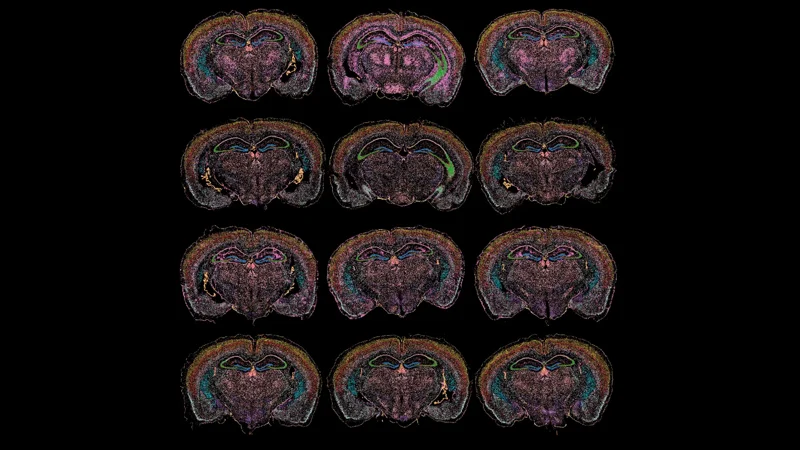
By studying lipids, Kristen O’Connell is uncovering how memory breaks down over time and how to preserve it.
View more
In the Joy Lab at The Jackson Laboratory, researchers examine the neural pathways in the brain after a stroke, laying the groundwork for targeted therapies for recovery.
View more
What if a routine eye scan could tell a doctor if you were at risk of Alzheimer’s disease? Gareth Howell is exploring how genetics shape the way our eyes—and brains—age.
View moreInstead of researchers watching hundreds of hours of lab mouse videos, a new artificial intelligence system created by JAX scientists can turn footage into thousands of measurements that can then be linked to genes, disease models or drug responses, potentially speeding the search for new treatments in humans. The work has important implications for neuropsychiatric research where scientists use behavior to understand changes in genes, brain circuits and disease.
Support neuroscience research
Your gift helps JAX researchers uncover how the brain changes long before disease begins, advancing earlier detection and new treatments for neurological disorders.
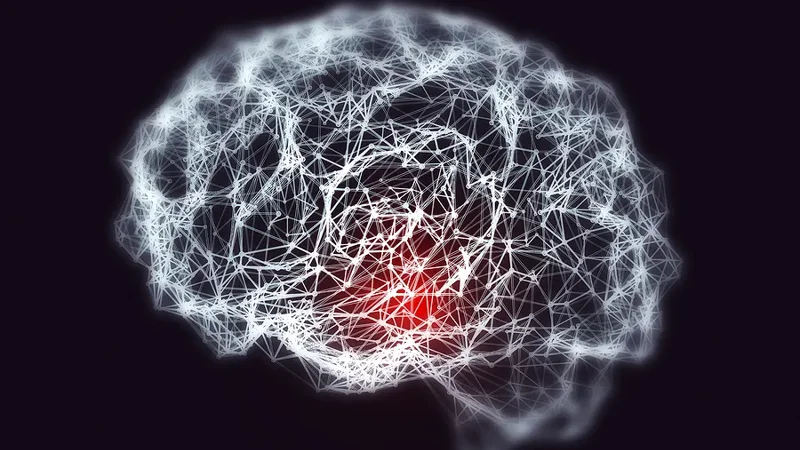
To understand disease mechanisms and ultimately develop effective therapies for AD, it is essential we apply state-of-the-art approaches to generate the next generation of more predictive animal models and make these models widely available…
View more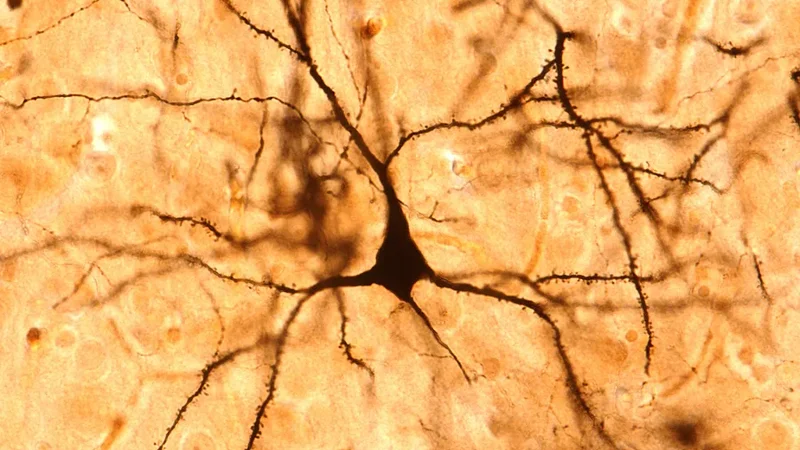
The JAX Center for Addiction Biology is an integrated research center designed to bring together an interdisciplinary community of researchers into the study of addiction, making extensive use of the laboratory mouse and cross-cutting…
View more
The Jackson Laboratory’s acquisition of the New York Stem Cell Foundation unites complementary strengths across mouse, cell and computational models.
View moreWSB.APP/PS1 mice develop age-dependent cerebral amyloid angiopathy, cerebrovascular dysfunction, and white matter deficits. Alzheimer's & Dementia (2026).
Exercise-induced activation of ventromedial hypothalamic steroidogenic factor-1 neurons mediates improvements in endurance. Neuron (2026).
Integrated phenotypic and proteomic screening identifies top-tier Alzheimer's disease therapeutic targets. Alzheimer’s & Dementia (2025).
The Missing Half: Why Sex Differences Matter in Alzheimer's Disease. Biological Psychiatry (2025).
Understanding the contribution of toxicant exposures to Alzheimer's disease and related dementias. Current Opinion in Neurobiology (2026).

JAX research extends far beyond any single disease area. Just a few of the diseases and disorders being researched at JAX are:

The Jackson Laboratory offers programs designed to advance your research and understanding of Alzheimer's disease and aging through expert-led training.
View more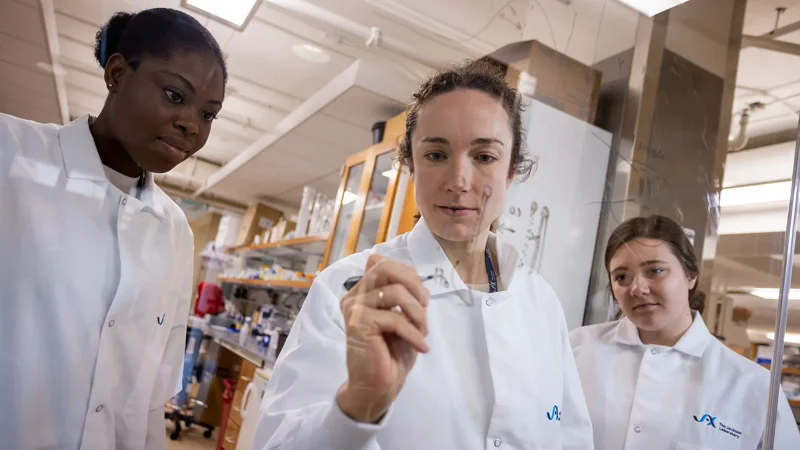
The JAX Cooperative Ph.D. Program provides training in mammalian genetics and genomic medicine through partnerships with degree-granting academic institutions.
Learn more