

Genetics and genomics underpin nearly every area of research at The Jackson Laboratory. Our scientists study how genetic variation, gene regulation, epigenetic processes and genome architecture influence biological function across systems ranging from cancer and neuroscience to aging, immunology and rare disease. Using advanced experimental models, high-throughput sequencing technologies and computational genomics, JAX researchers integrate data across mouse and human systems to identify disease mechanisms, biomarkers, and therapeutic targets.
Advances in genome sequencing and large-scale genomic analysis have transformed the study of mammalian biology and disease. JAX researchers investigate complex gene networks, genotype-phenotype relationships, single nucleotide polymorphisms, structural variation and the regulatory mechanisms that shape cellular function across tissues and biological systems. By integrating functional genomics, systems genetics and computational approaches, JAX scientists are uncovering the molecular pathways that drive disease susceptibility, progression and therapeutic response.
The number of DNA base pairs in the human genome
The number of protein-coding genes in the human body
of rare diseases have a genetic origin
The year JAX scientist Tom Roderick coined the term "genomics"
The Jackson Laboratory was founded in 1929 to advance the study of mammalian genetics and the biological mechanisms underlying disease. Today, genetics, genomics and molecular biology remain foundational to nearly every area of research at JAX, from cancer and neuroscience to immunology, aging and rare disease. By integrating experimental genetics, functional genomics, computational biology and advanced mouse and human models, JAX scientists are uncovering the molecular pathways that drive disease and translating those discoveries into more precise diagnostics and therapies.

"The Human Genome Project laid the foundation for understanding our DNA. In the years since, we've learned how genetic variation shapes who we are and influences disease risk. At JAX, we use advanced technologies to uncover how the genome is read by our cells and how those processes influence health and disease.”
Mark Adams, Ph.D. | JAX Professor & Interim Scientific Director, The Jackson Laboratory for Genomic Medicine

Dozens of unexpected genes are strongly linked to type 2 diabetes, new research from The Jackson Laboratory (JAX) shows.
View more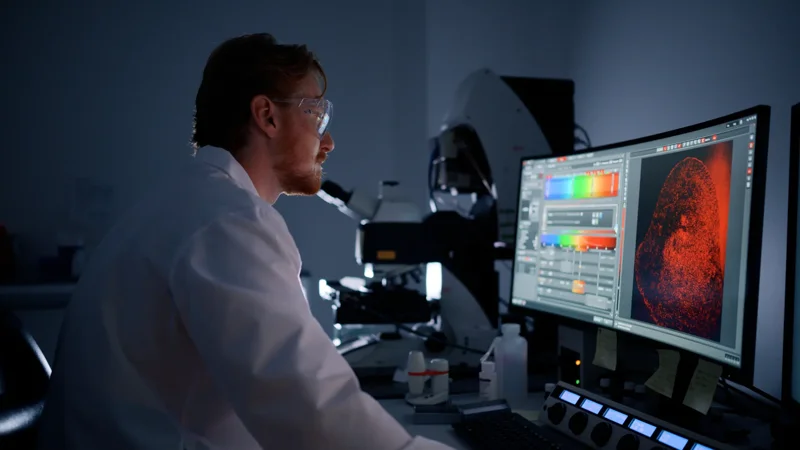
JAX plays key role in national effort to decode the function of every human gene.
View more
What if scientists unlocked the most hidden, hardest-to-read regions of our DNA?
View more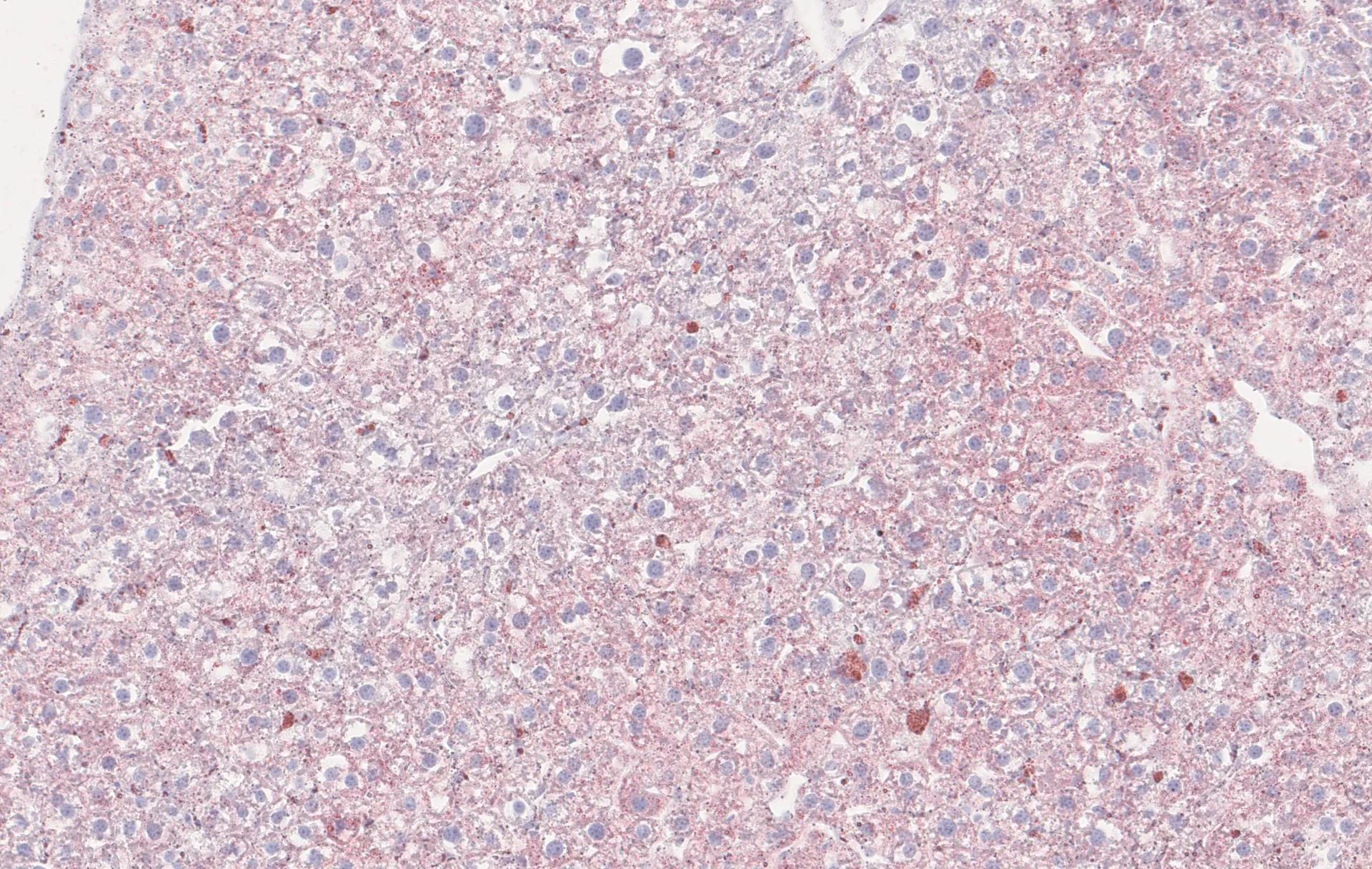
JAX researchers, in collaboration with the Broad Institute, the University of Southern California, and other partners, used advanced gene-editing technology to correct a life-threatening genetic liver disease in mouse models and human patient cells. The team applied base editing—a precise approach that changes individual DNA letters without cutting the genome—to repair mutations in the PEX1 gene that cause Zellweger spectrum disorder, a rare and currently incurable condition.
Support JAX research
Your gift fuels the genetic and genomic discoveries that underpin nearly every area of research at JAX, accelerating breakthroughs across human disease.

The mission of the JAX Cancer Center is to discover precise genomic solutions for cancer by making basic discoveries with human impact.
View more
The mission of the RDTC is to empower rare disease solutions through partnership, innovation, and scaled pre-clinical pipelines, to deliver targeted therapies from lab to clinic swiftly and effectively.
View more
The Jackson Laboratory Center for Precision Genetics (JCPG) seeks to create new, precise animal models of incurable and genetically complex human diseases.
View moreFunctional dissection of complex trait variants at single-nucleotide resolution. Nature (2026).
Deep single-cell decoding of human pancreatic islets reveals T2D β-cell gene expression defects. The EMBO Journal (2026).
Complex genetic variation in nearly complete human genomes. Nature (2025).
MorPhiC Consortium: towards functional characterization of all human genes. Nature (2025).
Dietary restriction impacts health and lifespan of genetically diverse mice. Nature (2024).
Assembly of 43 human Y chromosomes reveals extensive complexity and variation. Nature (2023).

JAX research extends far beyond any single disease area. Just a few of the diseases and disorders being researched at JAX are:
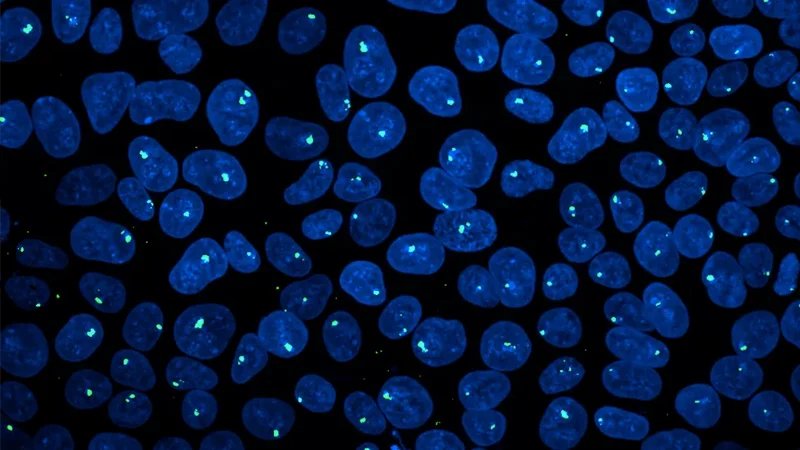
This 2-course Learning Path starts with fundamentals of stem cells, reprogramming, and iPSC quality, then moves to applications for disease modeling, drug discovery, and cell replacement therapy.

As the leading genetics and genomics educational resource for over 65 years, the course’s rich history and ongoing dedication to excellence provide an unparalleled learning experience.