
New year, new hope for health discoveries yet to come
January 9, 2025
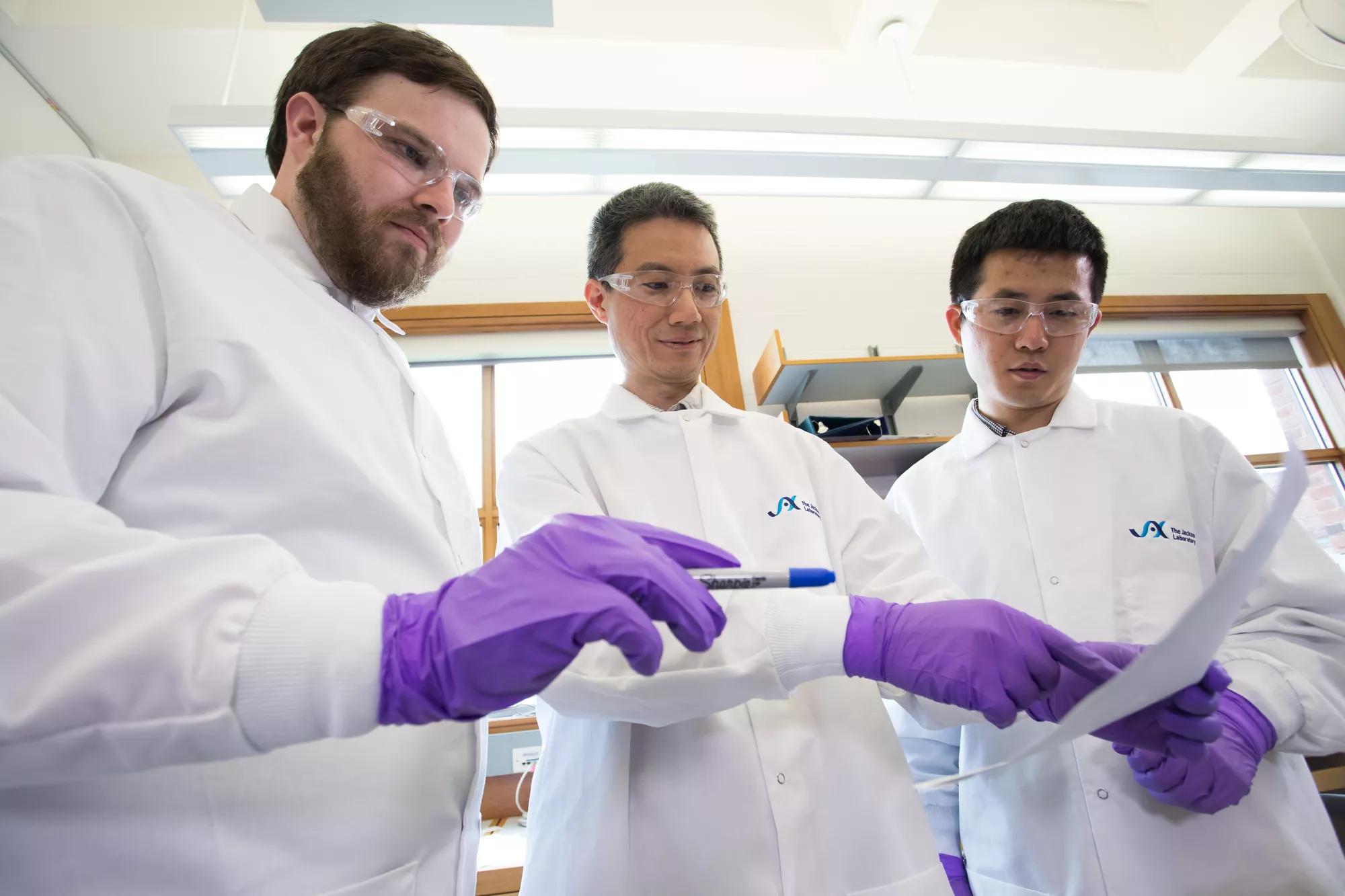
The new year is a moment to recharge, refresh and chart an ambitious path forward. Scientists at The Jackson Laboratory will spend the next year pursuing research discoveries in a broad, diverse range of human health topics including cancer, rare disease, reproductive health and more.
We asked them to share their 2025 “research resolutions” — a goal for the year ahead, a new approach they plan to take in their work or a practice they will continue in the new year. Here’s what they said.
Lauren Kuffler, Ph.D.

“I will continue reading papers outside my specific field of research. My goal is to find one corresponding author per week to contact with questions raised by their work. This has already yielded a potential collaboration with whale researchers in Norway who created fibroblast cell lines from skin samples taken from live, wild orca whales. Whales are large, long-lived animals that grow fast and reproduce slowly, so they need a higher degree of genomic stability than mice or even humans to keep from constantly getting cancer: they have a lot of living to do! As a result of my email conversations with them, I’m doing an analysis for signs of genomic instability in their publicly available data, which they may compare to wet bench experiments they’re planning on doing in the future. Studying unconventional model organisms allows us to learn from nature in our quest to improve people’s lives.”
Rob Burgess, Ph.D.
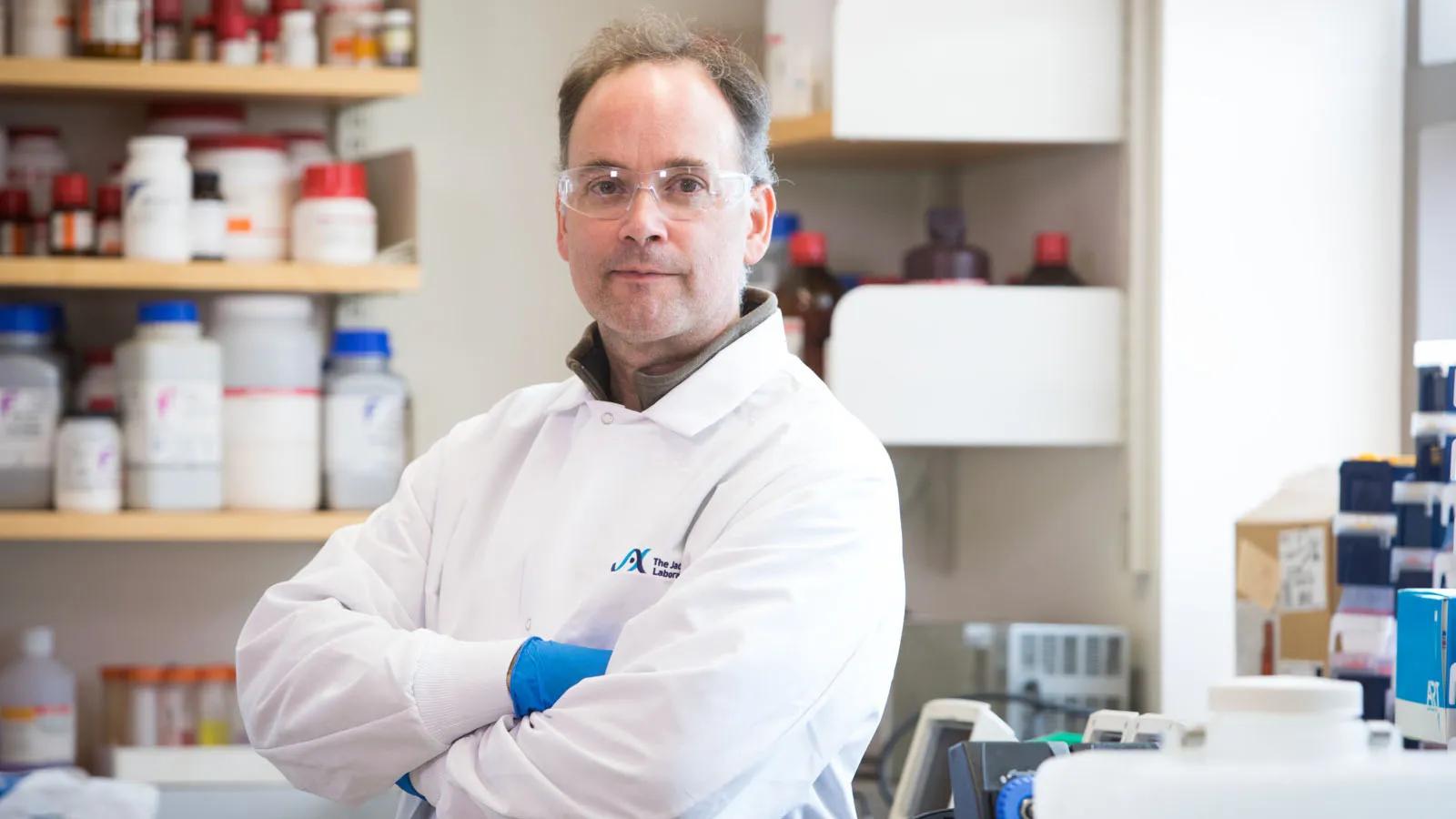
Over the last year, the Burgess Lab team found that in CMT, molecules called aminoacyl transfer RNA-synthetases (aaRS) can become faulty and cause a decrease in the production of important proteins. This condition can be treated using gene therapy approaches. They also identified a cell stress response that becomes chronically activated in CMT and contributes to its progression. The researchers discovered, however, that the response can be blocked by drugs that are currently in development, laying the groundwork for a clinical trial.
Elise Courtois, Ph.D.
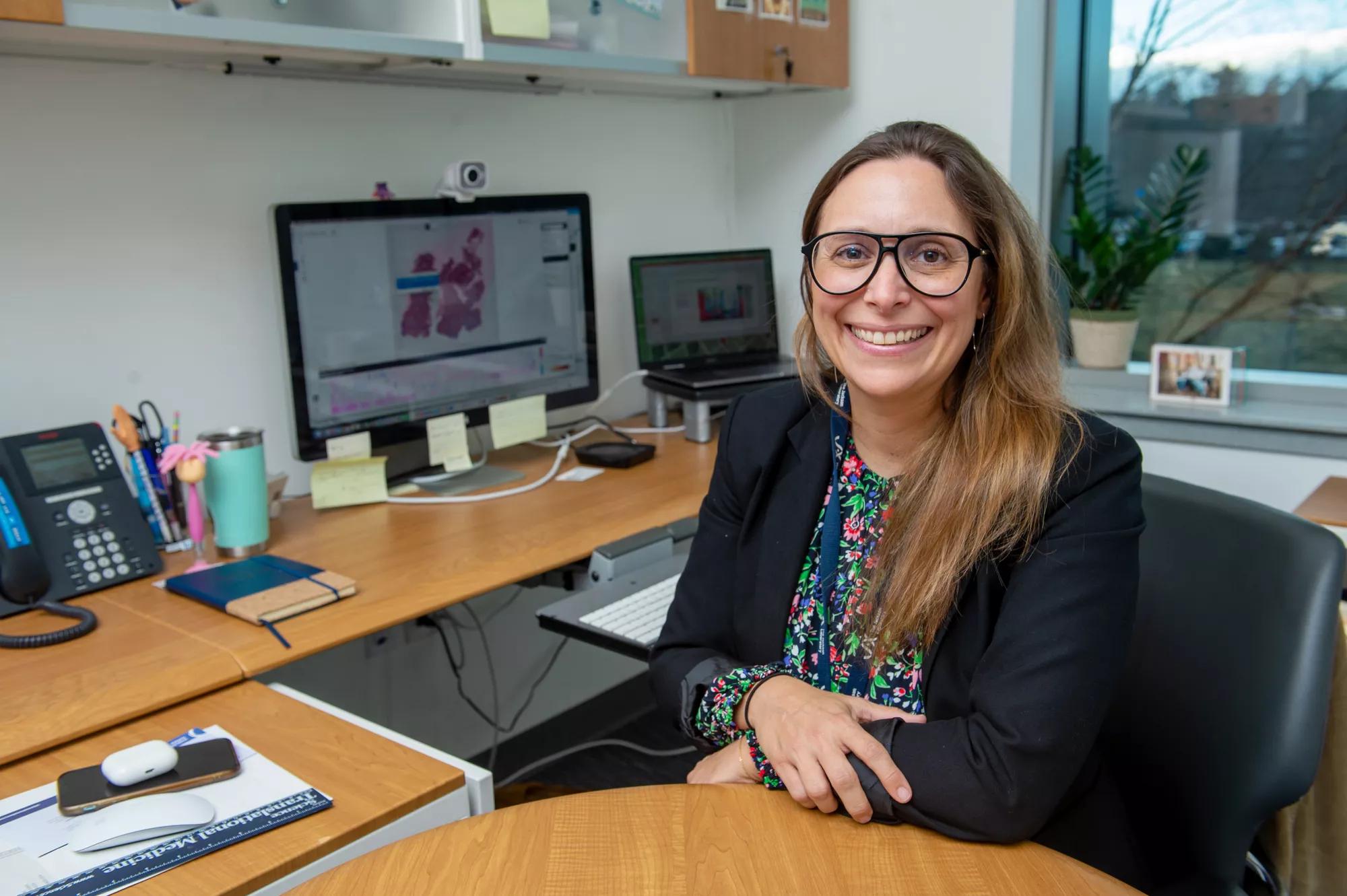
“I plan to continue our work with EndoRISE, a statewide program that promotes endometriosis research, education and awareness in collaboration with the State of Connecticut, UConn Health and Saint Francis Hospital. Using cutting-edge technologies, we’re striving to study [endometriosis] as a whole-body disease. We want to understand its diversity, the molecular drivers of the pain associated with it, and its impact on fertility.”
Djamel Nehar-Belaid, Ph.D.

“My resolution for 2025 is to understand why infants are more susceptible to respiratory viral infections such as influenza (flu) and respiratory syncytial virus (RSV), while they can mount effective immune responses to SARS-CoV-2 (the virus that causes COVID-19) and develop milder symptoms.”
Julie Wells, Ph.D.

“For the past several years, I have been generating new mouse models of lung cancer in which one small genetic change increases the severity of the tumors that these mice develop, increases the spread of these tumors outside of the lungs and decreases their survival. Now it is time to publish these mouse models and share the results with the research community. Along with publishing a paper on these new models, we also hope to use them to potentially identify new therapeutic targets. Several post-baccalaureate students in our lab have been addressing the question of why one genetic change leads to such a dramatic outcome. In the coming year, I hope to expand their initial studies and identify potential new approaches to treating lung cancer.”
John Graham, Ph.D.

In the Rosenthal lab, Graham studies the ways in which genetic background influences immune system function in tumors. His goal over the next year is to leverage artificial intelligence to enhance our understanding of how and why different patients respond to cancer treatment.
“Specifically, I aim to develop AI-driven tools that can integrate our complex experimental data — from an individual's unique genetic background to their unique tumor immune cell profiles — to better predict which patients might respond best to immunotherapy treatments.
By analyzing patterns across multiple data types simultaneously, we hope to uncover new insights that could help personalize cancer treatments. We're also working to make our findings more accessible through advanced visualization tools that can clearly communicate complex immune system interactions.
This approach builds on our current work with mouse models while adding cutting-edge computational methods to accelerate discovery. The ultimate goal is to move us closer to being able to match cancer patients with the most effective immunotherapy approaches for their specific situation.”
Minghao Gong, Ph.D.
As a member of the Li lab, Gong works across multiple disciplines including microbiology, immunology, and multi-omics analyses, particularly metabolomics (the study of metabolites, or products of metabolism). His resolution blends his passions for science and music.
“In 2025, my research resolution is to deepen the connections between science and art by merging my work in immunometabolomics with my passion for music. Inspired by the intricate storytelling in Schubert’s compositions, particularly his final piano sonata, D. 960, I aim to develop innovative ways to visualize and interpret complex biological data. By drawing parallels between musical themes and scientific pathways, I hope to engage not only researchers but also broader audiences, to make science both accessible and emotionally meaningful.”
The JAX community is ready for another year of innovative research and groundbreaking discoveries that will help build a healthier future. Visit our giving page to learn more about supporting the work of these talented scientists along with many others.
About The Jackson Laboratory: The Jackson Laboratory is an independent, nonprofit biomedical research institution with a National Cancer Institute-designated Cancer Center and nearly 3,000 employees in locations across the United States, Japan, and China. Its mission is to discover precise genomic solutions for disease and empower the global biomedical community in the shared quest to improve human health. For more information, please visit www.jax.org.