
Spotlight on the 2026 Brooks Scholars
Article | April 14, 2026
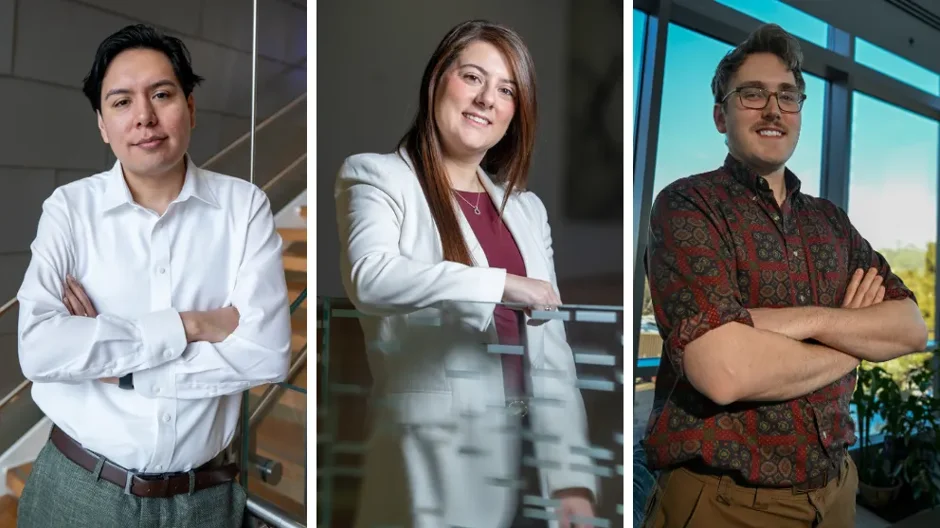
The Jackson Laboratory has announced the 2026 recipients of the Brooks Scholar Award, a philanthropy-funded fellowship for postdoctoral researchers studying the intersection of aging and cancer. The award complements the JAX Cancer Center’s focus on the wide-ranging genetic factors that increase our risk of cancer as we age. From those discoveries, our scientists strive to create cancer treatments that are more effective, personalized and available to all.
We sat down with Brooks Scholars Alexander Arnuk, Cristina Baquero Mayo, and James Miller to hear more about their hopes and plans for the year ahead.
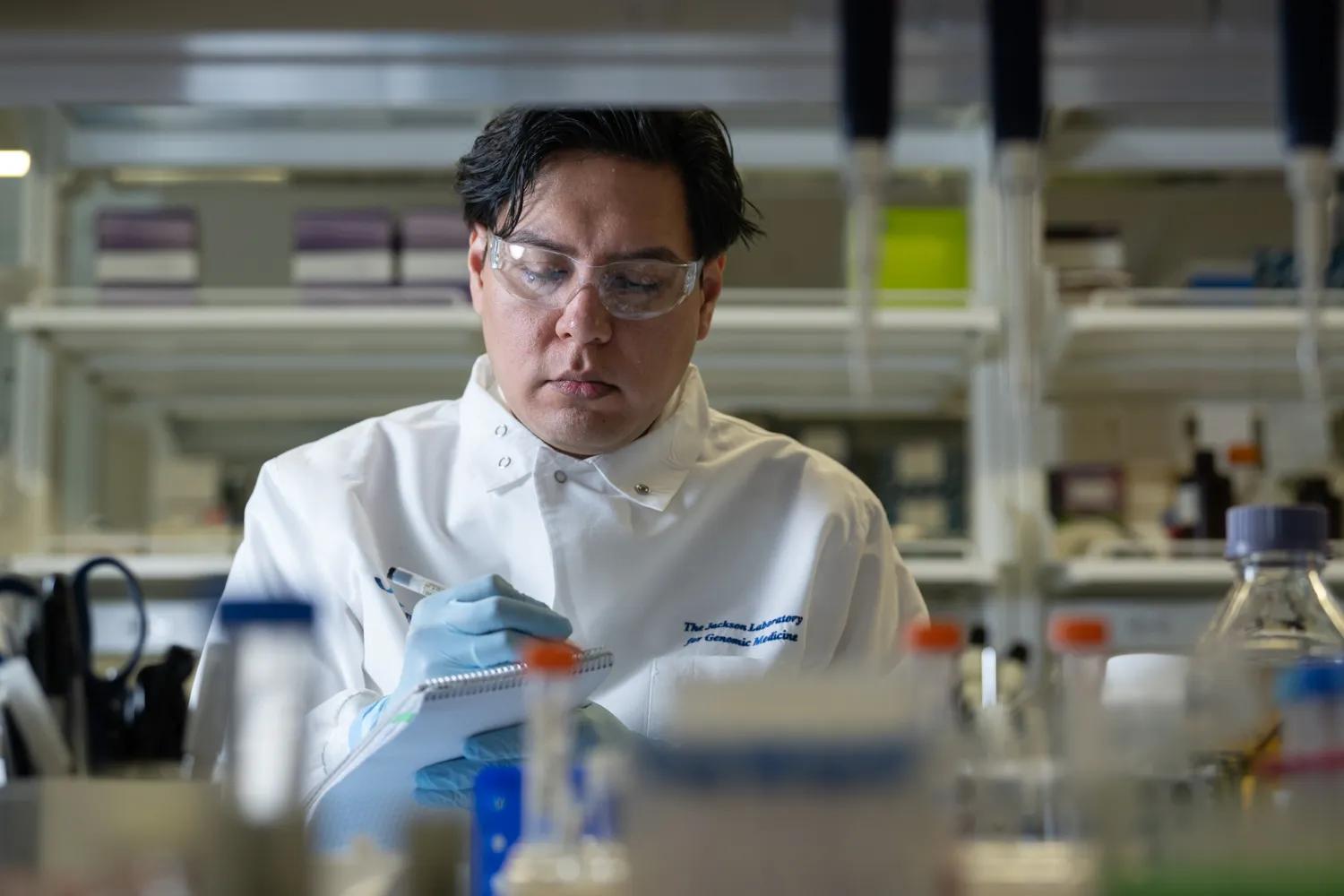
Our immune system changes as we age, often leaving older adults less able to fight infection, less responsive to vaccines and more prone to genetic mutations that lead to cancers like acute myeloid leukemia (AML). In the Wang Lab, Arnuk is investigating a specific gene’s connection to AML to understand how we might prevent that shift from happening. His work could also inform earlier interventions for high-risk patients.
“The Brooks award enables me to study this gene in the specific context of aging,” Arnuk said, “which will allow us to understand AML more mechanistically and find interventions that can prevent the onset of the disease.”
Arnuk hopes his work will have a positive impact on healthspan — not just years of life, but healthy years of life.
“I feel it’s important try to make life as comfortable, healthy and invigorating as possible for older individuals,” he said. “I want to make sure they benefit from the latest research. For people who have contributed so much and done their part, I think it’s only fair that we give back and take care of them.”
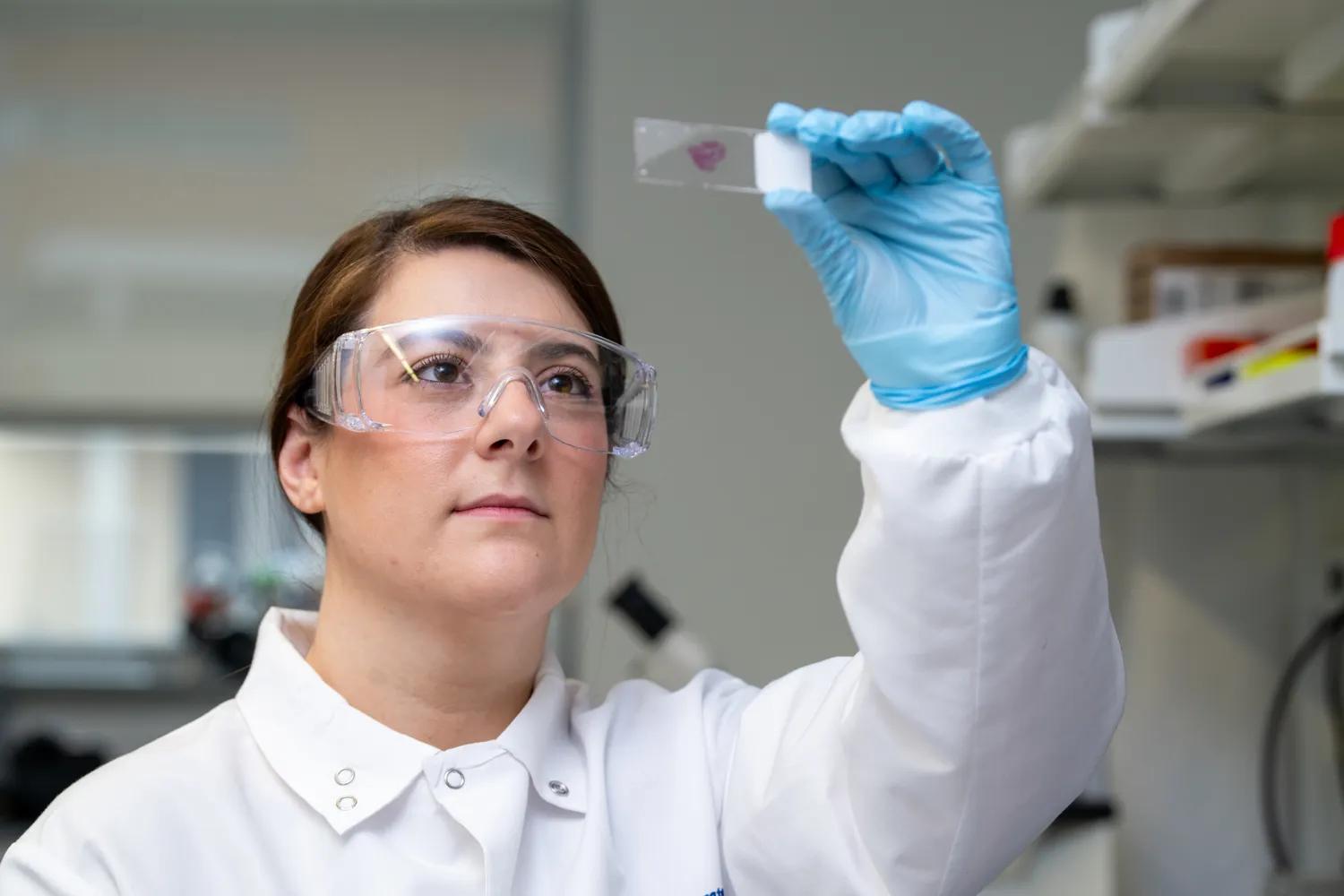
Glioblastoma is an aggressive brain cancer marked by low survival and high recurrence. In the Varn Lab, Baquero Mayo studies the tumor microenvironment — the cells surrounding the glioblastoma tumor itself — to understand how they communicate, how they interact and how they contribute to a tumor’s survival, often despite treatment. For her Brooks Scholar project, she is studying a specific brain cell known as an oligodendrocyte because of its specific relationship to aging.
“As the brain ages, oligodendrocytes can induce inflammation and changes in metabolism that impact tumor growth and development,” she said. “The Brooks award will help me track changes in these cells over time and target the genes or proteins that help the cells — and therefore the tumor itself — to survive in the brain.”
Over the next year, Baquero Mayo will experiment with an organoid of a human brain, a “mini-brain” on a chip derived from induced pluripotent stem cells that enables her to see how oligodendrocytes act in a human body without using human samples.
“The Brooks award will allow me to develop my own research program and my own ideas,” she said, “all of which could have impact on other cancer research projects happening at JAX. We are all connected.”
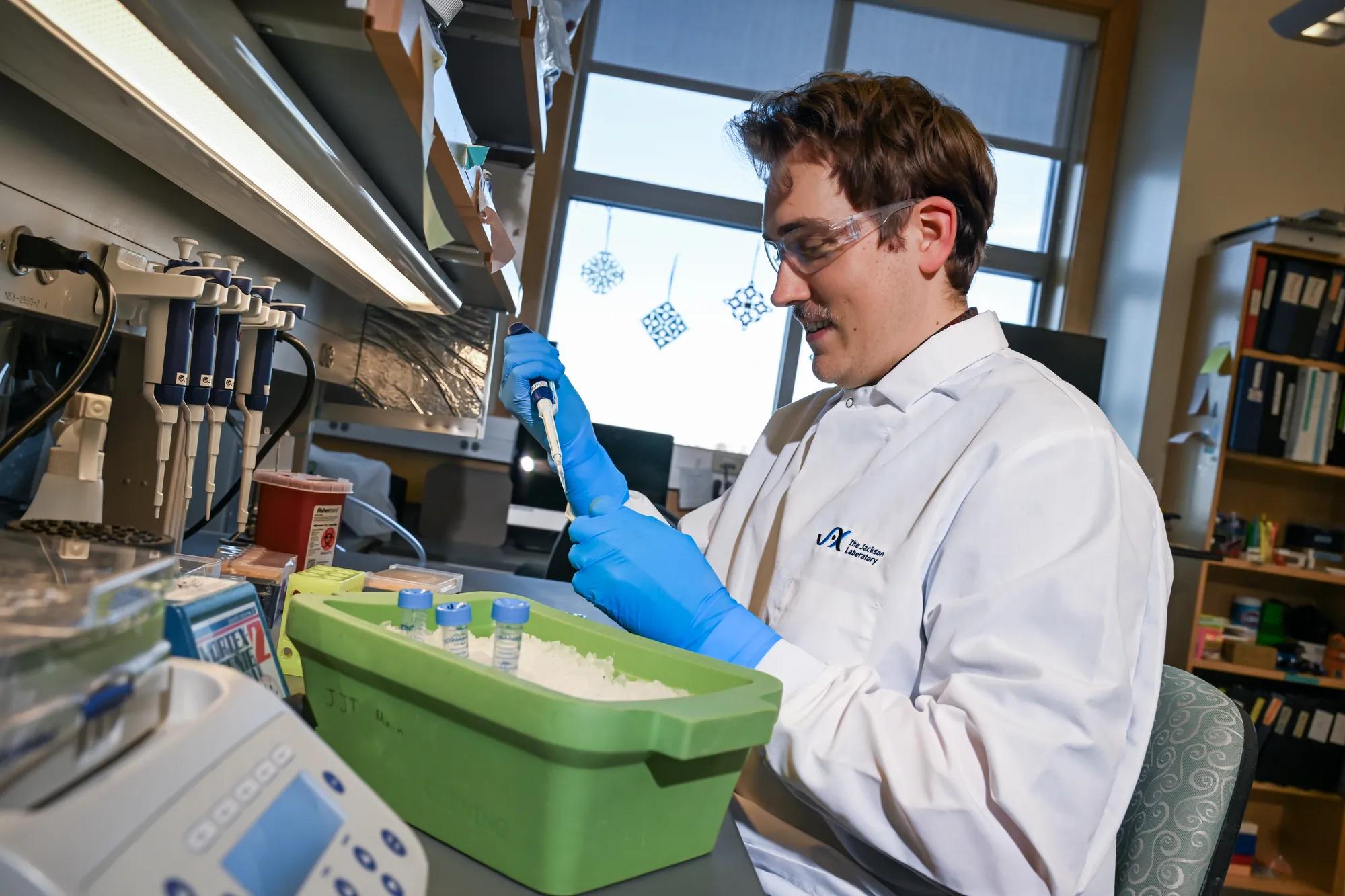
What causes a normal blood stem cell to become a cancer cell? It’s one of the questions that drew Miller to the Trowbridge Lab at JAX to study clonal hematopoiesis (CH), a condition in which a blood stem cell acquires a mutation that gives it a competitive advantage over normal, healthy blood stem cells. People with CH are more susceptible to inflammation, cardiovascular disease and other age-related conditions. Miller wants to understand how CH progresses and presents itself over time.
To do that, he studies changes in the extracellular matrix, or the collagens and fibers that give structure to the tissue that surrounds and supports blood stem cells. His findings suggest that CH affects the matrix’s structural integrity. Many age-related health conditions, such as osteoporosis, are associated with the breakdown of this matrix.
“The extracellular matrix is like the scaffolding outside a building,” he said. “Our work suggests that CH impacts the blood cells themselves, but also the network of different cells and structural components outside the blood stem cell population.”
The Brooks award will enable Miller to incorporate complex data sets and ‘omics analyses into his research. He notes much of his progress will rely on feedback from other experts in the field, which can be a costly but much-needed resource.
“This type of philanthropic gesture enables us to make groundbreaking strides in our research,” he said. “I see research as one of the most important facets of a functioning, advancing society, and I am grateful that others feel the same way.”
Learn more
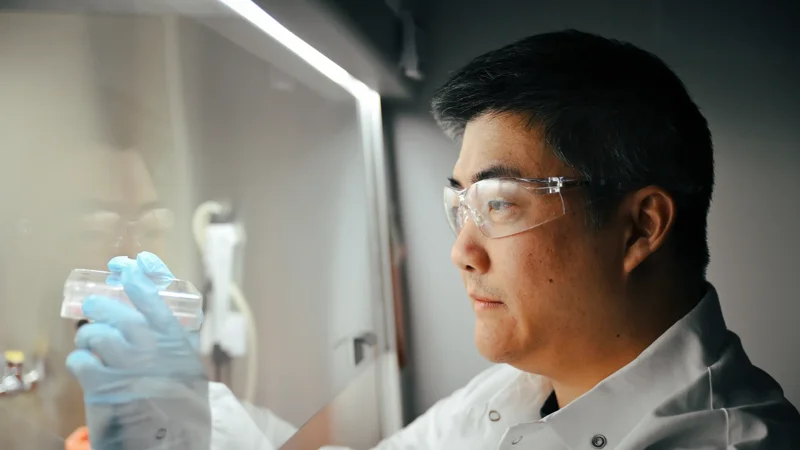
Leukemia study restores silenced gene in mice. Could it point to new treatments for humans?
Researchers created a CRISPR-based tool to pinpoint genes the cancer turns off.
View more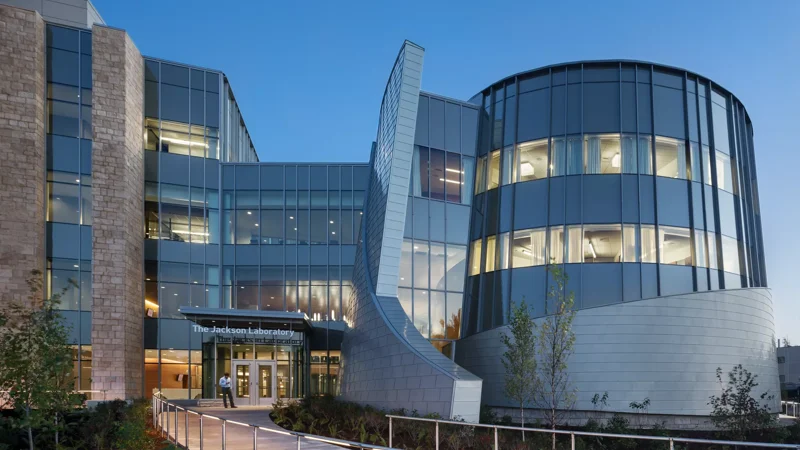
Philanthropy - JAX
Your gift makes it possible for discoveries to happen faster, for novel ideas to be explored and for research to accelerate forward at a scale that delivers life-changing scientific breakthroughs.
View more