
Aging & neuro: Understanding the aging mind
Article | June 15, 2026
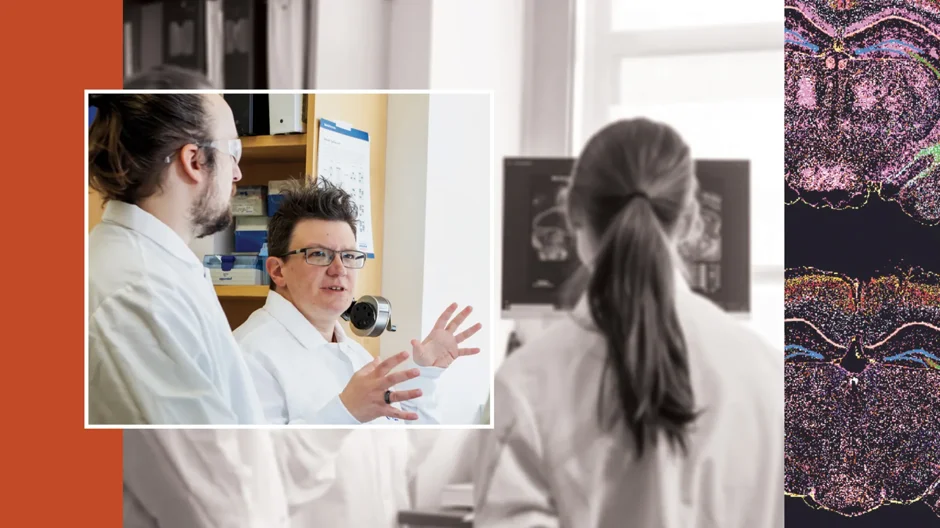
At JAX, research at the intersection of neuroscience and aging begins with a deceptively simple question: What does a healthy brain actually look like, and what changes tip it toward disease? Rather than studying isolated symptoms, JAX scientists approach the brain as a whole system that is shaped by genetics, environment, biology and time.
“We still don’t know enough about how the brain works, and therefore why it breaks,” said Gareth Howell, JAX professor and Diana Davis Spencer Foundation Chair for Glaucoma Research.
In Alzheimer’s disease and related dementias, the clinical diagnosis often arrives long after the biology has shifted. Howell studies age-related diseases of the brain and eye and believes the eye may serve as an early indicator of neurodegenerative diseases.
“Mechanistically, the brain and the eye are actually quite similar — similar genes, proteins and pathways are changing in the eye in the early stages of glaucoma, much like they are in Alzheimer’s disease,” said Howell. “By understanding how the healthy eye ages in different contexts, we may be able to determine people’s risk of developing neurodegenerative diseases as they age.”
Understanding how the brain works is also foundational to understanding aging itself. As Kristen O’Connell, JAX associate professor, put it: “You start by understanding where things are, what’s supposed to go where. Then understand what’s changing during aging and disease.”
Support JAX research
Your gift makes it possible for discoveries to happen faster, for novel ideas to be explored and for research to accelerate forward at a scale that delivers life-changing scientific breakthroughs.
Mapping the brain
In her lab at JAX, O’Connell’s team studies how different regions of the brain communicate and how that communication breaks down in diseases like Alzheimer’s. To study this, they’re building a next-generation brain atlas to map cells, genes and lipids — the fats that form brain structure, insulation and signaling platforms.
Until recently, lipids were nearly impossible to study in detail. That matters because lipid pathways are deeply tied to neurodegeneration. Lipids define the way cells are structured, show they interact and the way information moves through the brain. Many of the top genetic risk factors associated with Alzheimer’s and Parkinson’s disease are lipid-related.
O’Connell believes breakdowns in lipid pathways may be among the earliest steps leading toward neuron and cell death. “If that hypothesis is true, and we can intervene early, maybe we can stop the rest of the process and save as many neurons as possible,” she said.
Both researchers see healthy aging not as the absence of disease, but as the preservation of identity, memory and independence.
The brain is the seat of consciousness. It doesn’t just make us who we are, it coordinates everything else. Preserving brain function for as long as we can preserves how everything else functions.
Kristen O’Connell, Ph.D.
At JAX, neuroscience and aging research are converging around a shared goal: to understand what a healthy brain truly is — so it can be protected and sustained across a longer, healthier life.
Featured in Search
Search magazine is a publication from The Jackson Laboratory focused on research discovering and human health.
Learn more
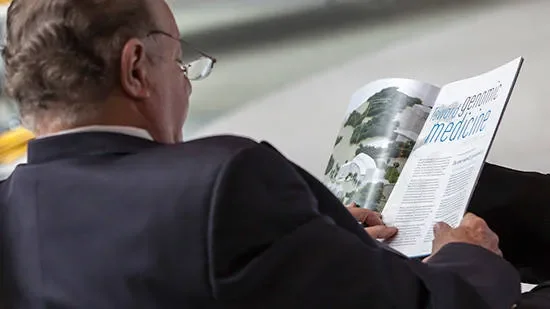
Search Magazine
Periodic magazine focused on research discoveries and human health. Published by The Jackson Laboratory.
View more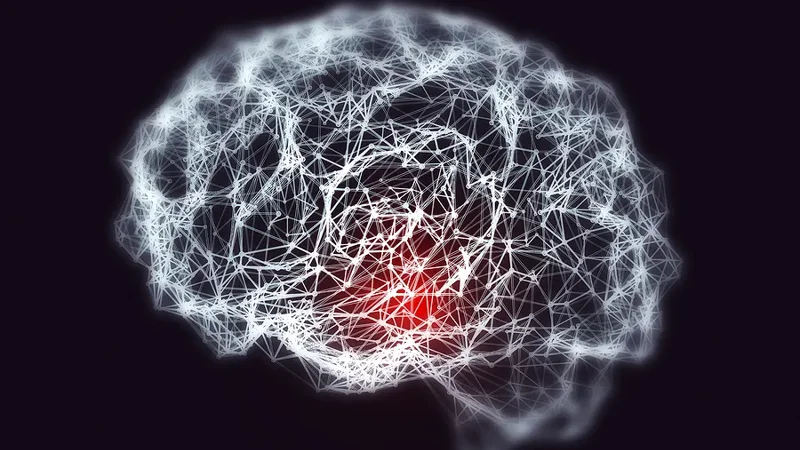
JAX Center for Alzheimer's and Dementia Research
To understand disease mechanisms and ultimately develop effective therapies for AD, it is essential we apply state-of-the-art approaches to generate the next generation of more predictive animal models and make these models widely available…
View more