
JAX and Connecticut Children’s Research Institute launch collaboration to advance pediatric gut health
Article | September 12, 2025
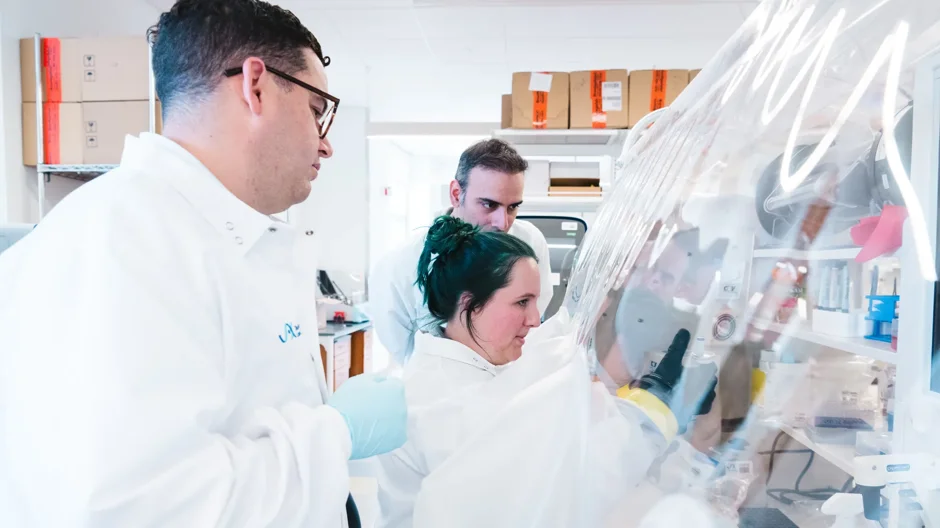
Pediatric intestinal inflammatory diseases like Crohn’s disease, ulcerative colitis, celiac disease, and eosinophilic esophagitis can be incredibly complicated for researchers to study – and even more complicated to treat. Families of young patients suffering from these conditions often spend years searching for relief and answers.
A partnership between The Jackson Laboratory (JAX) and the Connecticut Children’s Research Institute sets out to tackle this crucial issue in pediatric health in innovative new ways. Led by Sasan Jalili (JAX), Jeffrey Hyams (Connecticut Children’s) and Justin Radolf (UCONN Health Center), the collaboration brings together clinical expertise and state-of-the-art human-based cell models to accelerate discovery in gastrointestinal disease.
Central to this effort is the development and application of advanced experimental platforms such as patient-derived intestinal organoids and organ-on-a-chip microfluidic systems developed by the Jalili lab. These models capture essential features of the human gastrointestinal tract, enabling researchers to mimic immune, microbial, and epithelial interactions in a highly controlled and physiologically relevant environment—something not possible with traditional cell cultures or animal models. By anchoring research directly to patient-derived samples and clinical data from Connecticut Children’s pediatric cohorts, the initiative provides a powerful foundation for identifying pediatric intestinal inflammatory disease mechanisms and informing new treatment strategies.
As part of this initiative and the commitment to training future leaders, JAX and the Connecticut Children’s Research Institute have established a postdoctoral position to drive the application of these next-generation gastrointestinal models. Tasia Kellogg joined JAX this August as a postdoctoral fellow who will work closely with the clinical and engineering teams at both institutions, leveraging cutting-edge single-cell and microbiome profiling techniques on patient samples to unravel the immune and microbial drivers of pediatric inflammatory bowel diseases. Kellogg recently completed her Ph.D. in Biology and Biomedical Sciences at UMass Chan Medical School, where her research focused on characterizing the molecular dialogue between the gut microbiome and the intestinal epithelium in infection and immune regulation. She brings extensive experience in mucosal immunology, anaerobic microbial culture, epithelial cell biology, and multi-omics approaches to the role. She will also collaborate directly with pediatric gastroenterologist Jonathan Salazar at Connecticut Children’s, ensuring that insights from the lab remain tightly connected to patient care and clinical challenges.
“This interdisciplinary project illustrates our commitment to bridging clinical care and translational research, with the ultimate goal of discovering new personalized treatment strategies to improve the lives of children with gastrointestinal diseases,” said Jalili of the partnership.
This initiative not only accelerates the study of disease mechanisms at unprecedented resolution but also opens new avenues for therapeutic discovery, disease diagnosis, and ultimately—prevention. By closely integrating clinical samples and patient data from Connecticut Children’s extensive pediatric cohorts, the project aims to bridge laboratory discoveries with real-world patient needs, delivering insights that have direct implications for patient health, improved treatments, and personalized approaches to care.
Learn more
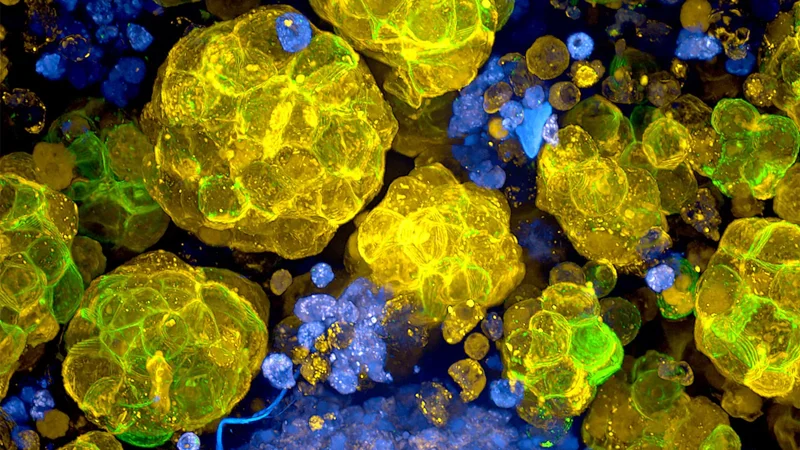
How organoids and organs-on-chips can help scientists
Organoids and organs-on-chips bridge the gap between basic biology and human health, offering insights to scientists.
View more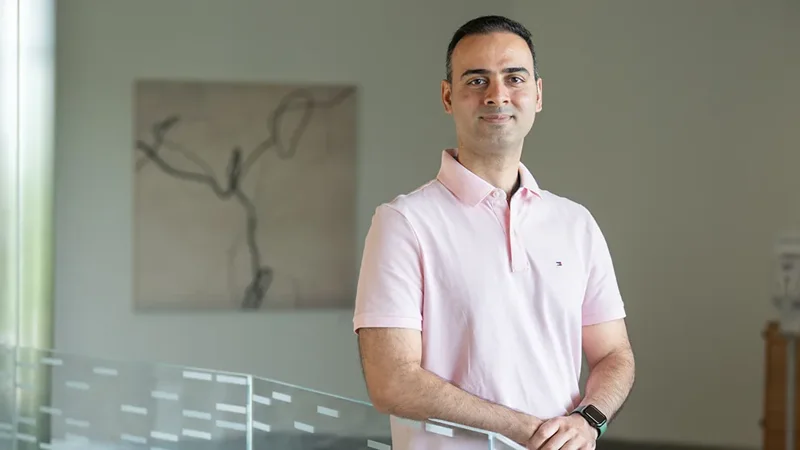
Exploring the intersection of the microbiome, immunity and bioengineering
Assistant Professor Sasan Jalili, Ph.D., unites the worlds of biomedical engineering, immunology, and microbiology, offering fresh insights into the intricate interactions between the human immune system and microbiome.
View more