
Mitochondrial genome instability in melanoma
Article | June 17, 2025
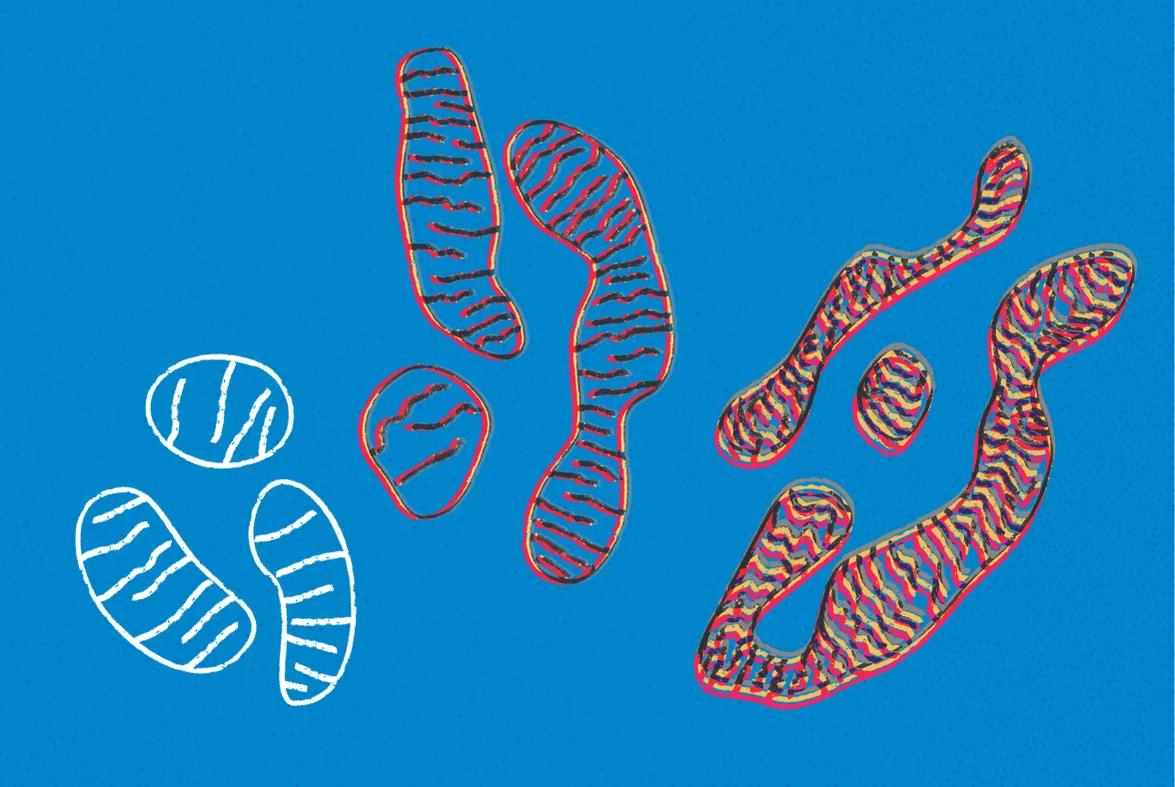
Despite the small size, mutations in the mitochondrial genome can cause a number of rare genetic disorders and may even affect tumor growth in certain cancers.
Your cells have two sets of DNA — the 3.3 billion base pairs in the cell nucleus and the mitochondrial DNA that passes from mother to offspring. The latter encompasses just 16,569 base pairs and encodes only 13 proteins.
Despite the small size, mutations in the mitochondrial genome can cause a number of rare genetic disorders and may even affect tumor growth in certain cancers.
“Mitochondrial DNA is subjected to mutations and instability, but the role of that in driving cancer forward is still a mystery,” says Phillip West, associate professor at JAX.
West’s lab is investigating several models of melanoma, since UV damage (one of the primary drivers of melanoma) can create mutations not only in nuclear DNA, but also in mitochondrial DNA. His team manipulated only the mitochondrial DNA while leaving nuclear DNA unchanged to better understand its impact on tumor growth. The results were striking.
They found that tumors grow much larger and metastasize much more readily when just mitochondrial DNA becomes unstable.
Now, West’s lab is trying to understand the mechanisms underlying increased aggressiveness in melanoma with damaged mitochondrial DNA.
Using single-cell sequencing, they have identified immune changes in the tumor environment that favor tumor growth. They believe mitochondrial DNA instability triggers inflammation, which allows tumor cells to evade immune destruction and spread through the body. This knowledge could have direct impacts for patients in the future.
If we more closely assessed the mitochondrial genome of melanoma skin cancers, we might be able to predict the likelihood of metastasis, allowing us to more carefully tailor treatments to particular individuals,” says West.
Beyond melanoma, understanding how mitochondrial DNA instability impacts the immune system could lead to breakthroughs in other instances where mitochondrial mutations promote inflammation in diseases such as Alzheimer’s and heart failure.
West adds, “It’s an incredibly exciting time for understanding mitochondrial biology in the context of human health and disease.”
Why are patients with mitochondrial disease more susceptible to infections? New JAX study finds the answer.
This story was featured in Search magazine, Vol. 18, No. 1, published in spring 2025. Search is a publication from The Jackson Laboratory focused on research discoveries and human health.
Learn more
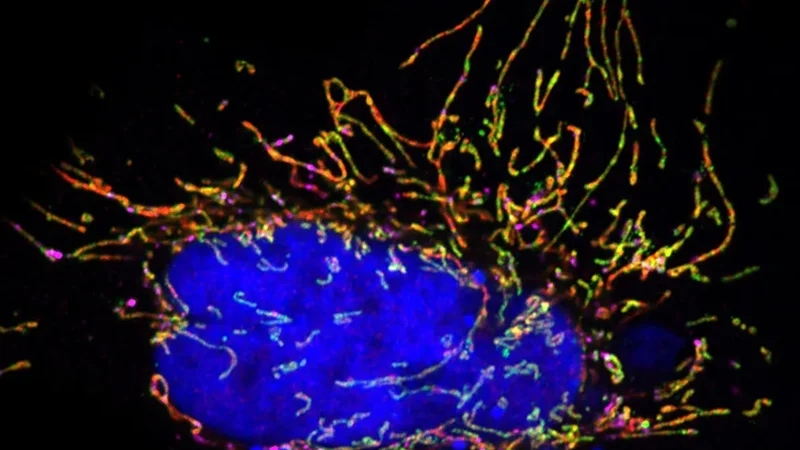
The West Lab at The Jackson Laboratory
Explore the West Lab at The Jackson Laboratory, where research delves into mitochondrial functions as central regulators of innate immune and inflammatory responses, contributing to the understanding of genetic disorders and aging-related diseases.
View more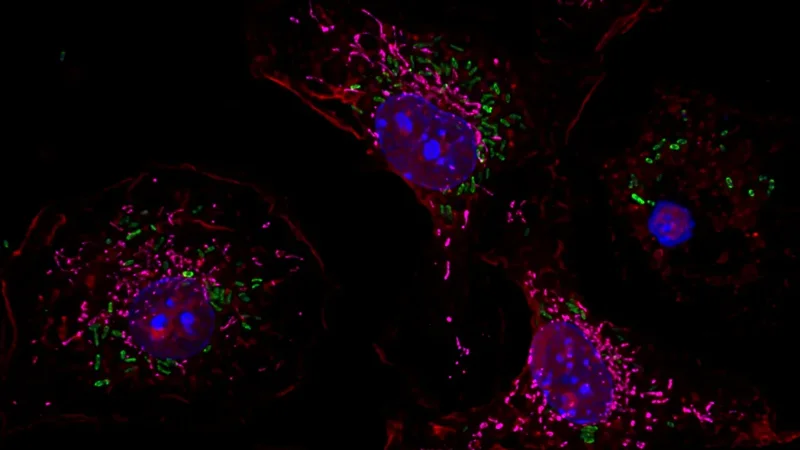
Why patients with mitochondrial disease more susceptible to infections
A discovery at The Jackson Laboratory reveals how dysfunctional mitochondria put the immune system on overdrive, leading to severe infections.
View more