
Building tools for the early detection of breast cancer
Featured Article | February 11, 2025
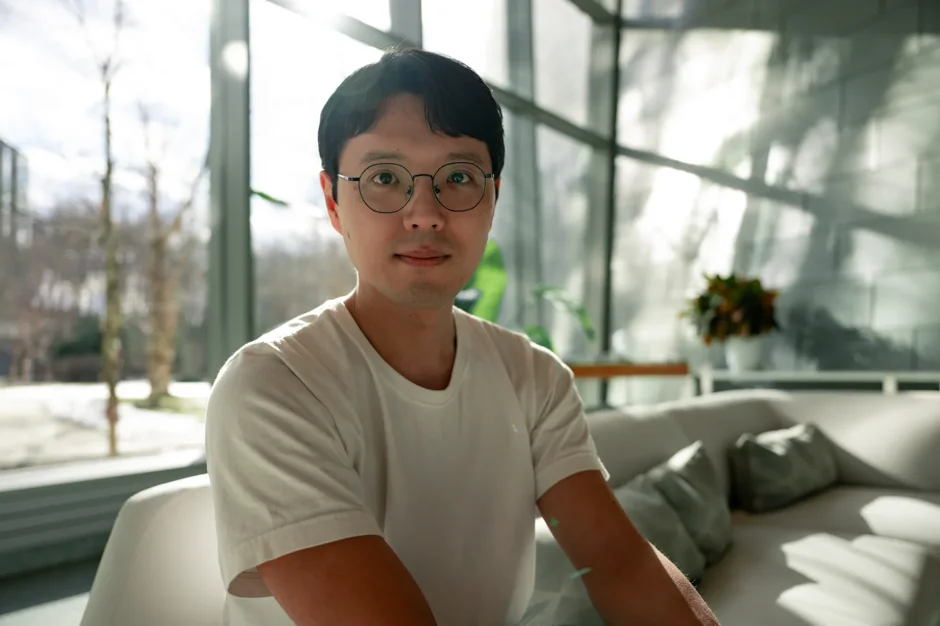
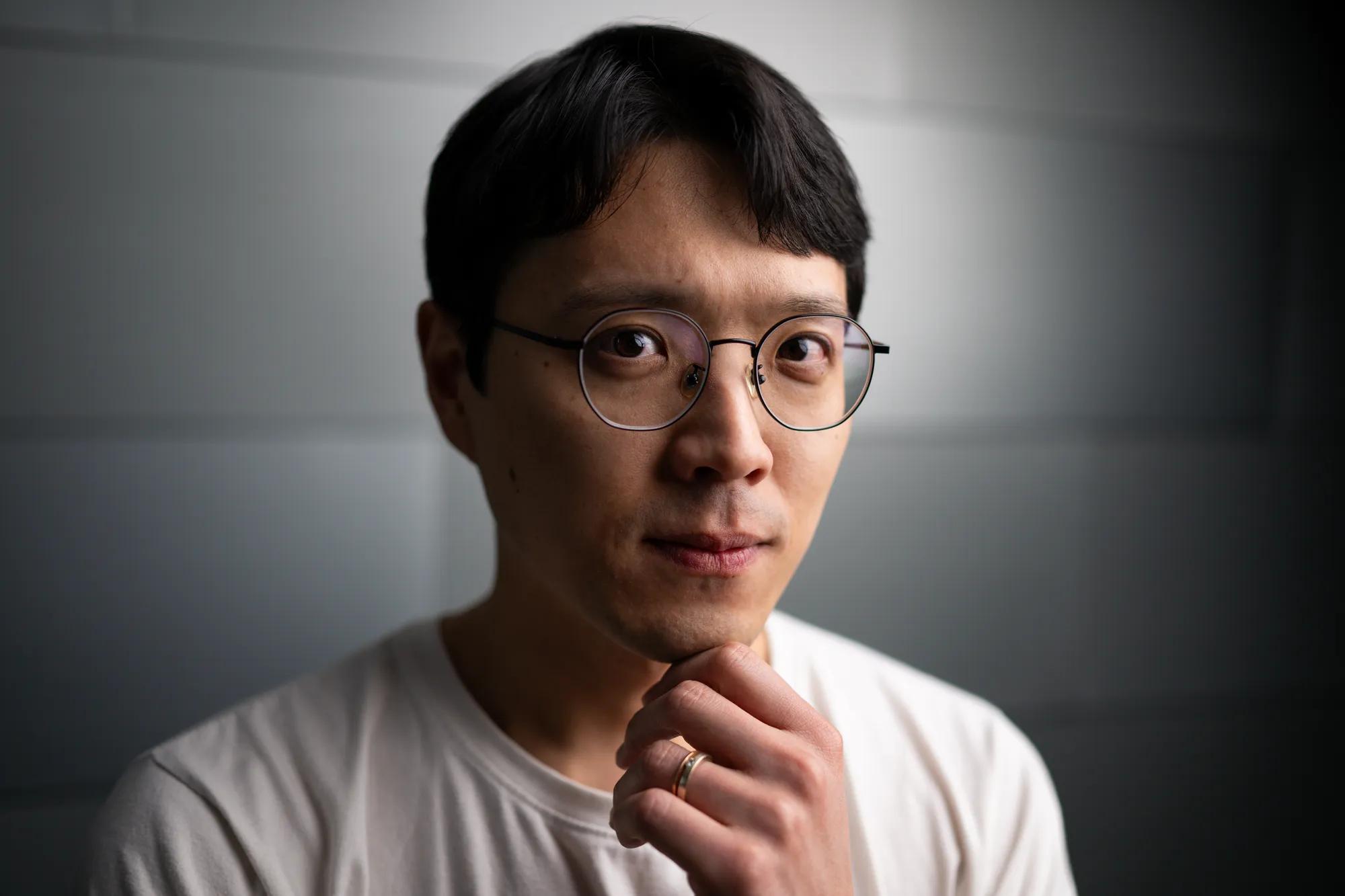
Last year, philanthropic support provided a fellowship for Hyeongu Kang, Ph.D., a postdoctoral associate in the Anczuków lab, where he investigates the genetic factors that might increase the risk of breast cancer in women as they age. He has been comparing RNA expression in the breast tissue of young mice and old mice, searching for a biomarker that will indicate risk of developing cancer over time. As a bioinformation specialist, he is also developing a computational tool to help his team visually interpret their RNA splicing data.
He hopes his tool will help address the consequence of alternative splicing in breast cancer research, meaning the tremendous diversity of breast cancer subtypes.
“Every type of breast cancer indicates a different approach to treatment, prognosis and pathology,” Hyeongu said. “We decided to develop a spatial transcriptome analysis approach to help track and categorize the diversity of subtypes.”
The data science resources at JAX play a key role in empowering this research. State-of-the-art resources like the single-cell biology lab and the genome technologies lab enable JAX to produce highly sophisticated datasets that counter the issue of heterogeneity by allowing scientists like Hyeongu to study mice with similar genetic backgrounds.
“This fellowship has been particularly meaningful to me because it is my first postdoctoral position. I’m so impressed by the impact of the Anczuków lab on the scientific community, and I’m grateful for the opportunity to join them and contribute to their work.”
Hyeongu hopes this approach will help discover an age-related transcriptome change that leads to tumorigenesis — the onset of cancer — in older mouse models. This reflects a shift in his research goals. He originally hoped his research would lead to better ways of treating breast cancer. Now, he is passionate about the power of early detection.
If he finds the right marker, he can develop a tool to detect it in its early stage, ultimately improving the odds of treating it effectively.
“This fellowship has been particularly meaningful to me because it is my first postdoctoral position,” he said. “I’m so impressed by the impact of the Anczuków lab on the scientific community, and I’m grateful for the opportunity to join them and contribute to their work.”
In supporting scientists like Hyeongu who are pursuing life-changing improvements in cancer care, you’re helping the JAX Cancer Center lay the foundations of a more hopeful future. Thank you for supporting world-class talent at JAX.
This article is part of JAX’s 2024 digital impact report, an annual celebration of the power of philanthropy in accelerating our mission to improve the future of human health.