
‘Scientifically Speaking’ virtual event features postdoctoral scientists studying cardiovascular disease and side effects of cancer therapy on the heart
The science of healing broken hearts
Article | April 24, 2025
The Jackson Laboratory’s virtual series ‘Scientifically Speaking’ continues on May 6 with Lisa Wren, Ph.D., and John Bachman, Ph.D., two postdoctoral scientists whose research focuses on the inner workings of the heart. Both hope their research will lead to better ways of warding off cardiovascular disease and challenges before they start. We sat down with each of them ahead of the event to learn more about their work.
Wren works in the Hinson lab, where she uses genetic tools to identify mechanisms of heart disease and potentially treat heart muscle disorders, also known as cardiomyopathies.
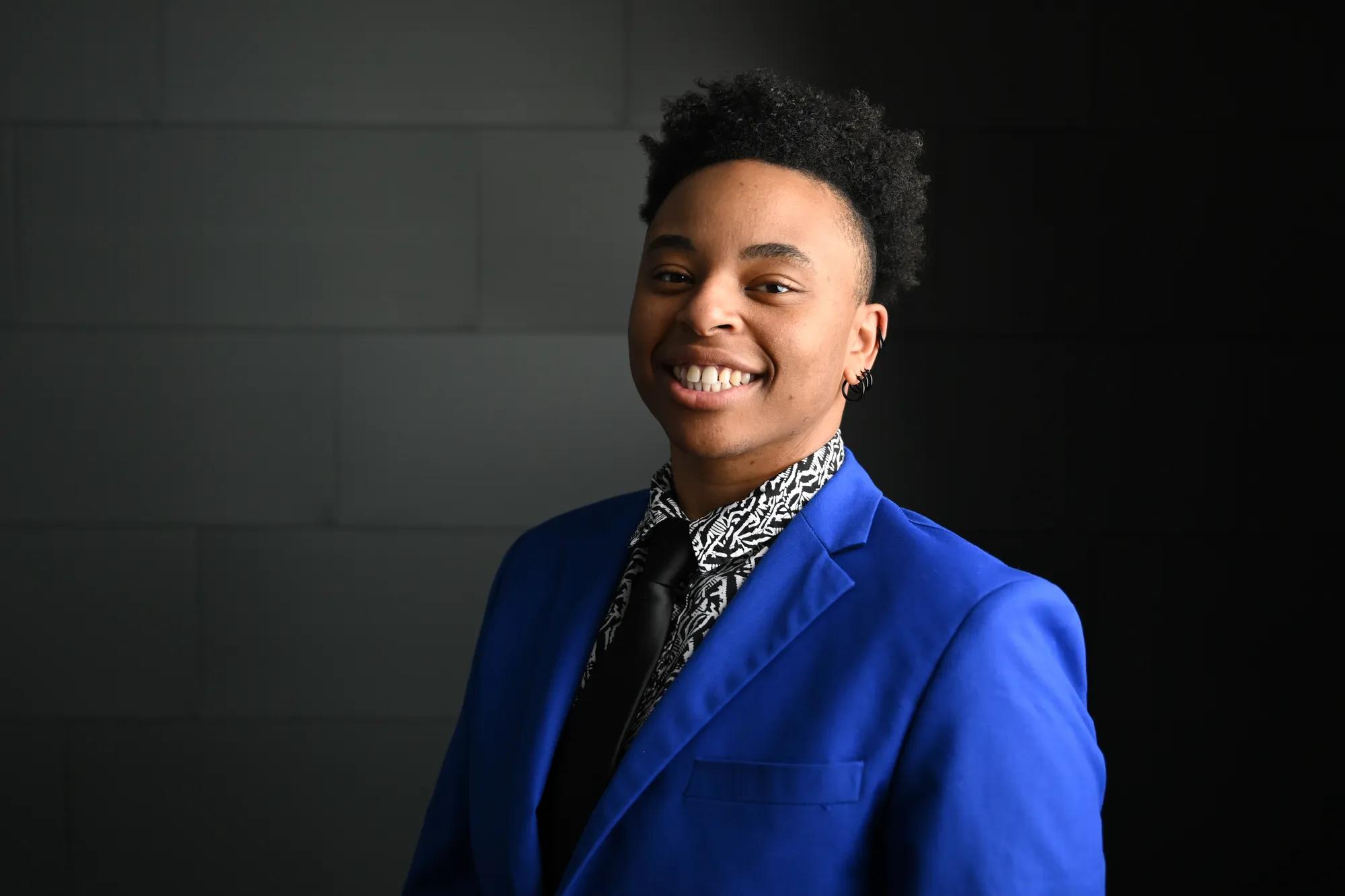
How she got into research: As a 16-year-old high school student, Wren took a class on the principles of biomedical science and was assigned to study the cardiovascular system. She came away aspiring to a career as a cardiologist. Later as an undergraduate, she pursued summer internships at Washington University in St. Louis that focused on cardiac electrophysiology, or the study of heart rhythms.
“I wanted to have access to the clinic, but to also have the flexibility and intellectual freedom to pursue certain research projects that could potentially help a lot of people down the road,” she said.
Research experience she acquired during a postbaccalaureate fellowship studying cardiovascular genetics cemented her plans. After graduate school and a Ph.D. in life and biomedical sciences from Northwestern University, she connected with Travis Hinson, M.D., while exploring opportunities for heart research in Connecticut. She defended her thesis and began working in the Hinson lab just a few weeks later.
How she wants her work at JAX to make a difference: Wren envisions a future in which heart disease — currently the leading cause of death in adults — doesn’t have to be a death sentence. She hopes to change the way patients manage the disease and improve their quality of life. She’s also hopeful for a “one-and-done” treatment for heart disease, meaning a solution for patients who may have trouble taking daily medication or traveling back and forth to pharmacies, and who may not have access to more costly forms of treatment.
What she’s looking forward to: She has plans to submit projects for publication in the next year, which will raise the visibility of her work and enable her to apply for other types of funding. But beyond publication, she’s also looking forward to the writing itself. To her, science is a creative act.
“I’m looking forward to focusing more on writing and being creative when it comes to science. It’s storytelling, and I love that part of this work.”
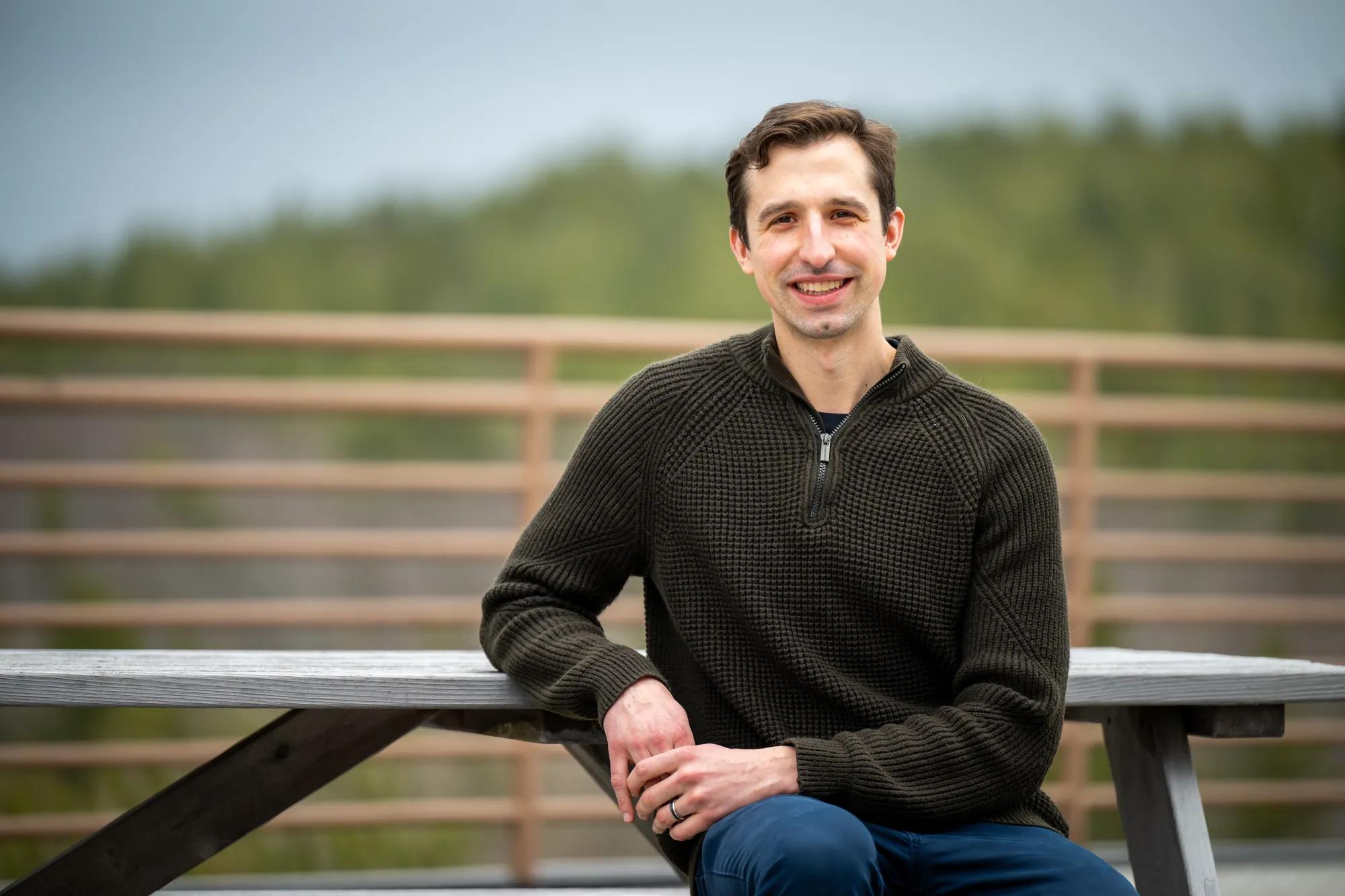
In the Rosenthal lab, Bachman studies the effects of a cancer therapeutic known as immune checkpoint inhibitors on the heart and skeletal muscles.
How he’d describe his work to an 8th grade class: “I would say I study the side effects of cancer therapy on normal, non-cancerous tissues,” he said. “These therapies are called ‘immune checkpoint inhibitors’ because they enable the immune system to recognize and kill cancer cells.”
A “win” he has celebrated in the lab: Last year, Bachman and his team collaborated on a landmark study investigating the toxic side effects of immune checkpoint inhibition-based damage to heart and skeletal muscle. Their study appeared in the Journal of Immunology, was selected as a “top read” and used as the issue’s cover image.
They began by studying a mouse model that was susceptible to myocarditis (inflammation of the heart), and that experienced severe, often lethal side effects from immune checkpoint inhibitor therapy. Bachman suggested the team also examine skeletal tissue to see if these results were systemic. He was right; the team found severe inflammation and cell death not only in the heart, but also in the diaphragm and lower limb muscle. This combination of myocarditis and myositis is considered one of the most severe side effects of immune checkpoint inhibitors. By working to understand the mechanisms underlying these severe side effects, he hopes his work might predict which patients are most at risk for them and lead to tailored treatment approaches that help prevent them.
As the next step in his research, Bachman is collaborating with Vivek Kumar, Ph.D., on machine learning methods to study mouse behavior as it might relate to these severe side effects. He wants to know if there are behavioral biomarkers — posturing, stride, step length, range of movement, etc. — that can be predictive of early damage to the heart and skeletal muscle.
How he hopes his work at JAX will make a difference: “We have such blunt objects to target cancer cells,” Bachman said. “With radiation, we kill cancerous tissue but also damage normal tissue. With chemotherapy we damage hair, salivary glands and our gut microbiomes. And even with immunotherapy, the immune system can become overengaged and attack normal tissue. I hope this work will lead to ways of managing them, and ideally ways of knowing ahead of time that a patient might be at risk for them.”