What “The Zebra and the Bear” teaches us about collaboration in rare disease
Article | December 12, 2025
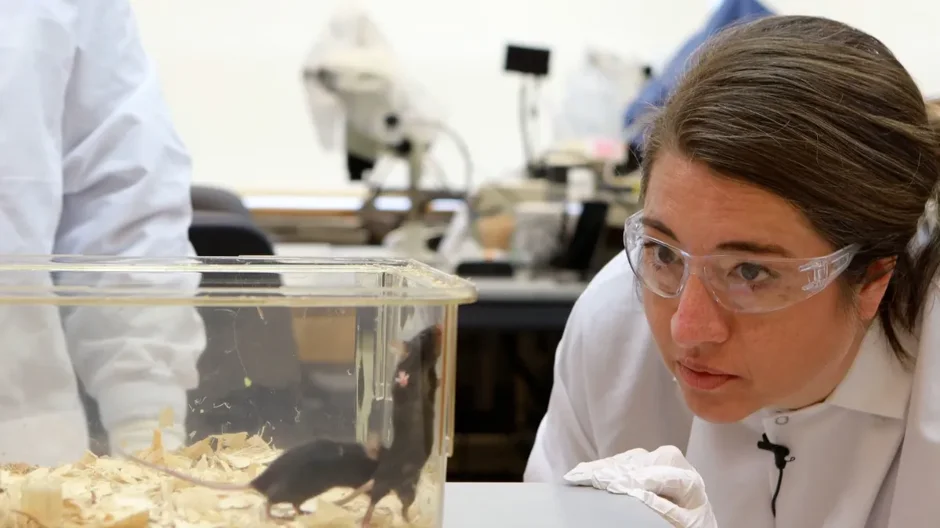
When Amber Olsen learned that her daughter, Willow, had multiple sulfatase deficiency (MSD), the diagnosis felt earthshattering. MSD is an ultra-rare, progressive neurodegenerative disease that robs children of developmental skills and is fatal by an average age of 13 years. There are no approved treatments to slow or stop its relentless progression.
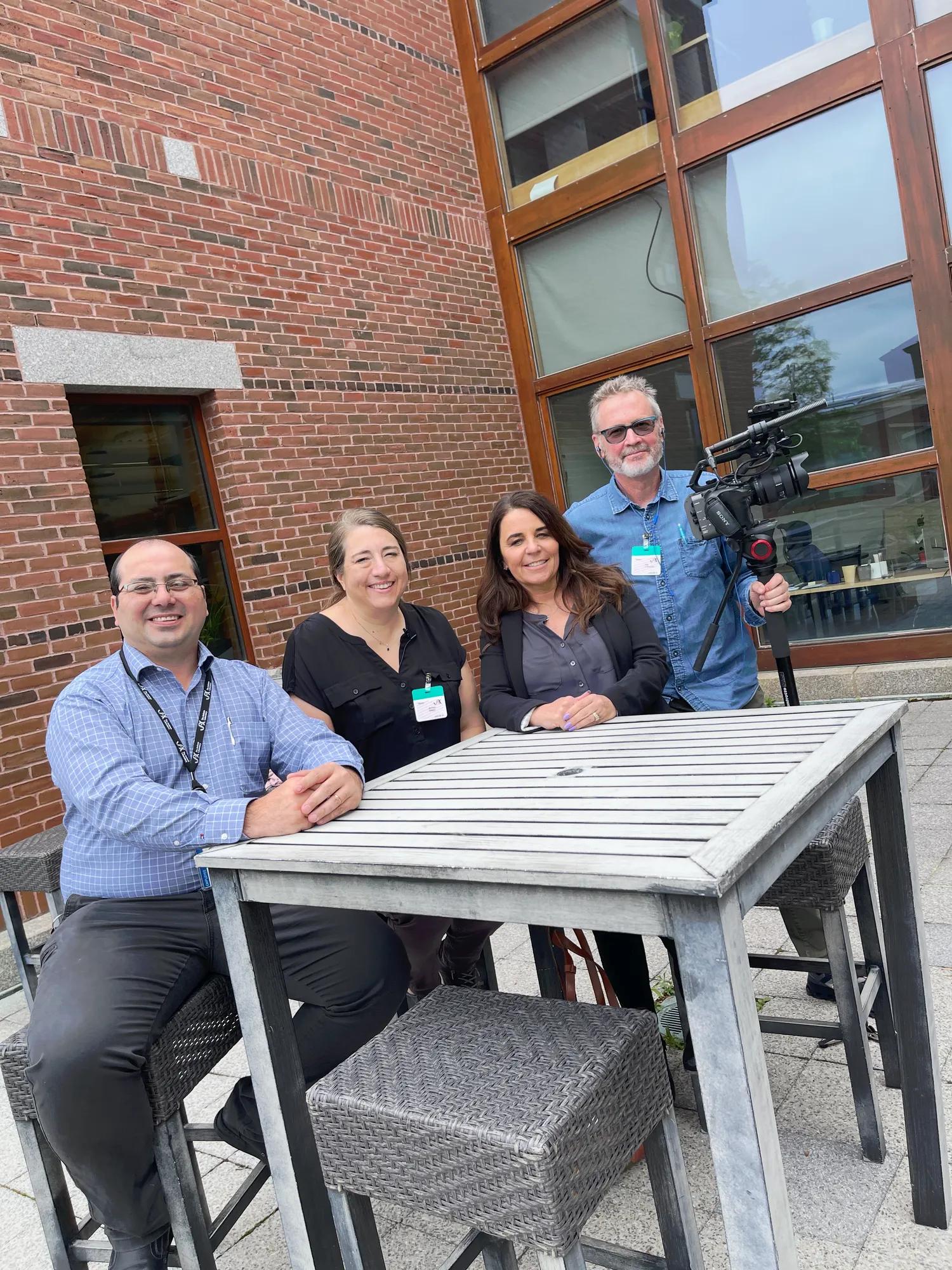
But Amber refused to accept that fate. Her story, presented in the documentary “The Zebra & The Bear,” which is now streaming on Apple TV, Prime Video, Google Play, YouTube & Vimeo, chronicles a mother’s extraordinary determination: raising millions of dollars, forging research partnerships, and pushing the science forward to give Willow, and other patients like her, a chance to beat the odds. The film includes the story of how The Rare Disease Translational Center (RDTC) at The Jackson Laboratory (JAX) played a major role in Amber’s journey by conducting research into new treatments including gene therapy for the condition.
MSD is caused by mutations in a gene called SUMF1. This gene encodes a protein which cells need to “activate” enzymes that break down complex sugars and fats. Without it, those molecules accumulate, causing widespread damage that can affect the brain, liver, skin, and skeleton, and lead to symptoms such as seizures, developmental delays, and movement problems.
As Cat Lutz, vice president of the RDTC, puts it: “These lysosomal storage disorders are devastating for patients and their families. Advancing technologies offer promising opportunities to use new therapeutic approaches to treat – and maybe cure – otherwise untreatable rare genetic disorders.”
Lutz and colleagues had been studying MSD for years, collaborating closely with researchers at University of Texas Southwestern Medical Center. Led by Maximilliano Presa, a senior study director for the RDTC, the research team built precision mouse models with the same SUMF1 mutations carried by patients, giving researchers a powerful window into how the disease unfolds and how it might be treated. “Animal models are an important tool when developing new therapies,” Lutz said. “Armed with mouse avatars representing patients’ exact genetic status and mirroring clinical symptoms, we are well-suited to test the safety and effectiveness of novel treatments like gene therapies.”
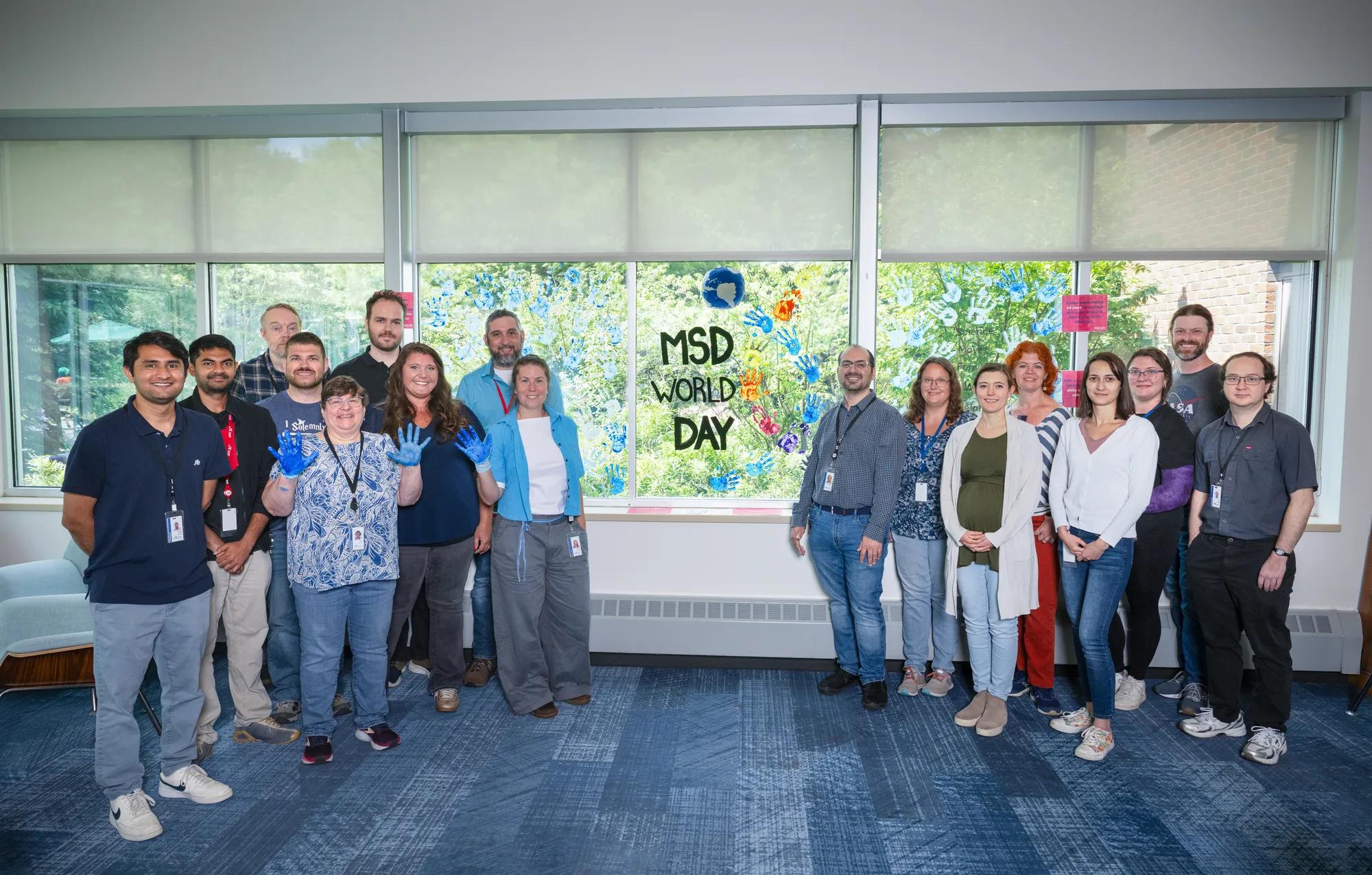
With models in hand, the JAX team moved quickly. Presa set out to test two bold therapeutic avenues: bone marrow transplantation and gene therapy. Funded by the United MSD Foundation and a grant from the JAX Center for Precision Genetics, which leverages advanced genetic tools like CRISPR/Cas9 to create disease models, the team published two studies earlier this year that shifted the horizon for MSD families. One study tested bone marrow transplants in mice, which helped clear toxic buildup in organs but couldn’t fully address brain symptoms due to the blood-brain barrier. A second study tackled that challenge with gene therapy delivered directly into the cerebrospinal fluid, dramatically extending lifespans and reducing neurological issues. Together, these findings mark a major step toward potential treatments for MSD.Amber’s fundraising, coalition-building, and insistence on urgency helped catalyze research at JAX and beyond. Willow sadly passed away just a few months after she turned 11, but her fight carries a legacy and enabled the possibility of treatments that didn’t exist when her family first learned of her diagnosis.
The gene therapy approach is now progressing toward human clinical trials through a private-public partnership operated by the Foundation for the National Institutes of Health (FNIH).
“New therapeutic approaches offer hope to families with rare disease, and our genetically engineered mice are a perfect model to test these cutting-edge therapeutics,” says Lutz. “Our internal expertise, broad collaborations with leaders across the field, and close partnerships with families and foundations position the RDTC for meaningful therapeutic advancement in the coming years.”
I would never have imagined that something so small and so ordinary as a mouse would mean so much to families struggling with rare disease. It’s a reminder that even small things can change the world. Make something good out of pain," said Olsen in the film.
“The Zebra & The Bear” is a testament to what can happen when parents, scientists, foundations, and public partners align around the singular goal of turning rare diseases like these into treatable ones. Thanks to partnerships between families like Willow’s and researchers at JAX, that possibility grows closer every day.
Learn more

Rare Disease Translational Center
The mission of the RDTC is to empower rare disease solutions through partnership, innovation, and scaled pre-clinical pipelines, to deliver targeted therapies from lab to clinic swiftly and effectively.
View more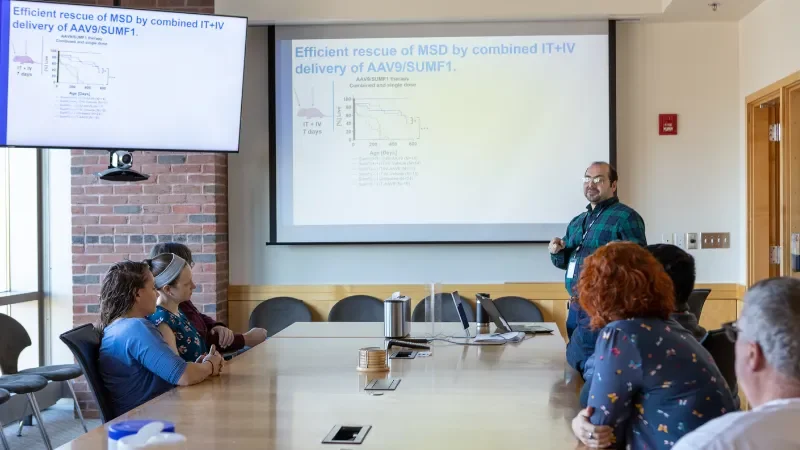
Implementing gene therapies for rare diseases
Recently, the Accelerating Medicines Partnership Bespoke Gene Therapy Consortium (AMP BGTC), a public-private partnership spanning NIH institutes and centers, life sciences companies, and nonprofit organizations was formed, with the goal to catalyze progress toward first-in-human gene therapy clinical trials for rare disease patients.
View more