Overview
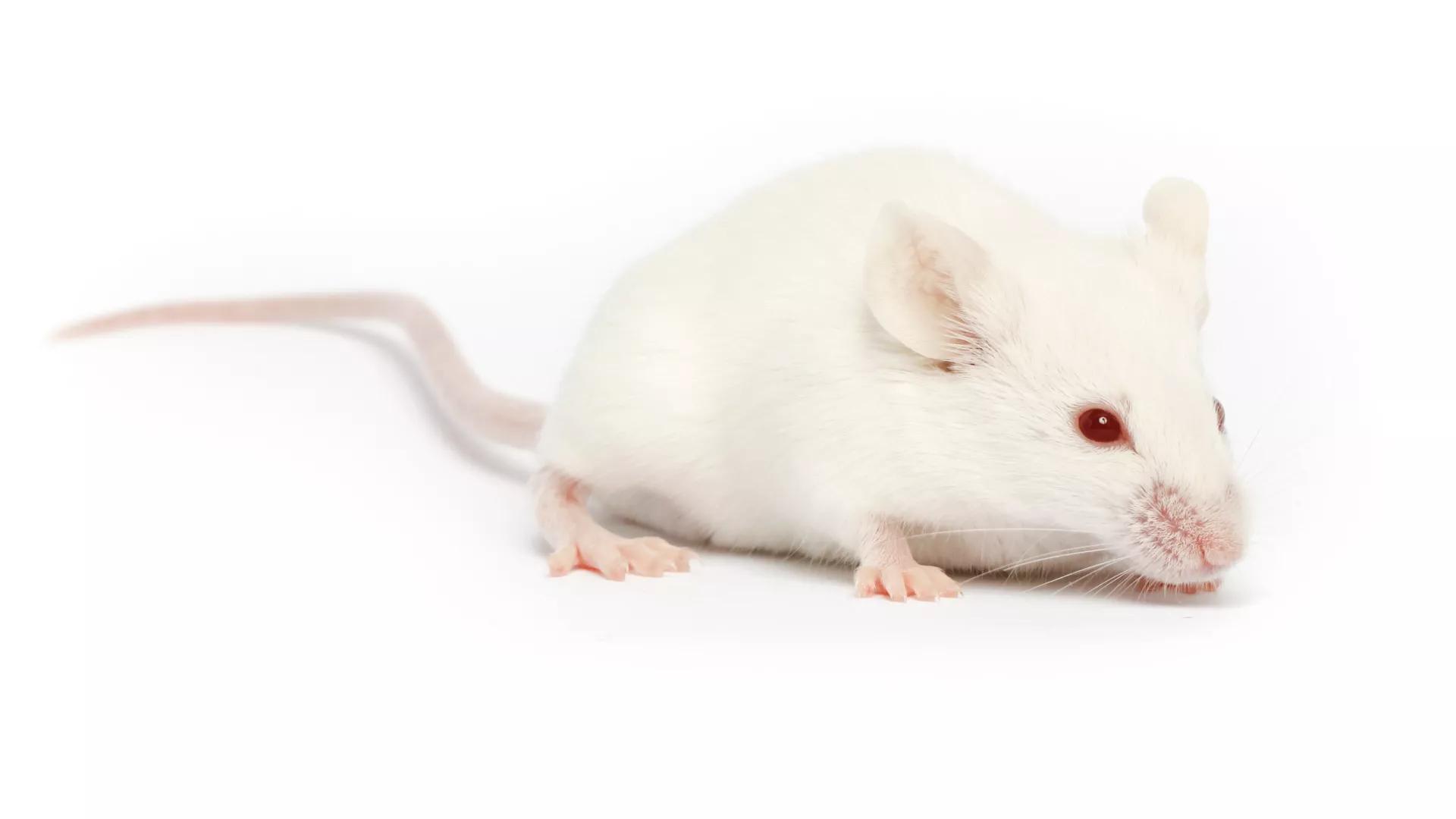
The PBMC humanized NSG-SGM3-IL15-MHC I/II DKO (S15-DKO) mouse is a comprehensive immune cell mouse model from The Jackson Laboratory. This transgenic mouse model is the cross of the NSG-SGM3-IL15 mouse and the NSG-MHC I/II DKO mouse. S15-DKO support the broad engraftment of several immune cell subtypes such as CD4+ and CD8+ T cells, CD33+ myeloid cells, and CD16+/CD56+ natural killer cells with delayed onset of Graft vs Host Disease due to the knockout of the murine MHC Class I/II receptors.
The S15-DKO model also supports the engraftment of rare immune cell subsets that include γδ T cells and CD19+/CD38+ B Cells that retain the memory state of the donor PBMCs. This broad diversity of immune cells enables the study of immune cell engagers, in vivo CAR generation, B cell responses, and many other applications in the S15-DKO mouse from a single administration of adult donor PBMCs.
Speak to an Expert
Key Benefits
- Expression of a complex immune cell profile, including myeloid, NK, T cell and mature B cell populations, following peripheral blood mononuclear cell (PBMC) engraftment
- Gain predictive therapeutic insights on cell engagement of immune cell subtypes such as myeloid or IgG-secreting B cells that were not possible in previously available cell humanized mouse models
- Ideal for evaluation of therapies such as T cell engagers or in vivo CAR T studies in a more complex human immune cell environment
- Major Histocompatibility Complex (MHC) I/II gene knockouts delay GvHD, enabling an experimental study window of 75-100 days
- Repeatable studies with reserved Pre-Characterized PBMCs from JAX
Research Applications
- Evaluation of immune cell engagers including mechanism of action(s) of antibody-dependent cell phagocytosis (ADCP) and antibody-dependent cellular cytotoxicity (ADCC) such as T cell or NK cell engagers in adult donor PBMCs
- in vivo CAR cell generation following PBMC engraftment
- Depletion studies involving diverse immune subtypes, such as T cells and B cells, for autoimmune applications